TANZANIA

Serengeti National Park

Serengeti National Park: Africa’s Iconic Wilderness

If you have ever imagined the wild beauty of Africa, chances are you were picturing the Serengeti. This vast and breathtaking ecosystem, covering approximately 14,750 square kilometers, is one of the most renowned safari destinations in the world. Recognized as a UNESCO World Heritage Site, Serengeti National Park is a sanctuary of raw, untamed nature where the drama of predator and prey unfolds daily.

Wildlife & The Great Migration

The Serengeti is most famous for hosting the Great Migration, often described as the largest and most spectacular wildlife event on the planet. Over 1.5 million wildebeests, accompanied by hundreds of thousands of zebras and gazelles, move continuously across the plains, braving treacherous river crossings where crocodiles lurk in wait. This journey, driven by the search for fresh grazing, is one of the last great natural spectacles on Earth.

But the Serengeti is more than just the migration. It is home to a rich diversity of wildlife:

  • Big Cats: Over 4,000 lions dominate the plains, while 1,000 leopards and 550 cheetahs lurk in the woodlands and grasslands, perfecting the art of the hunt.
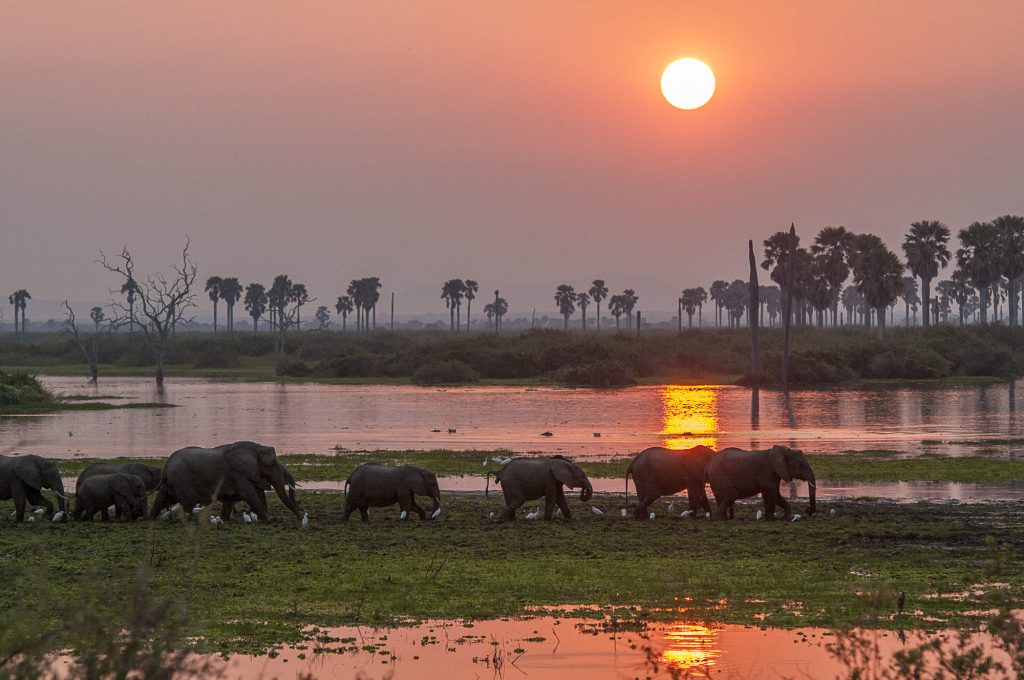
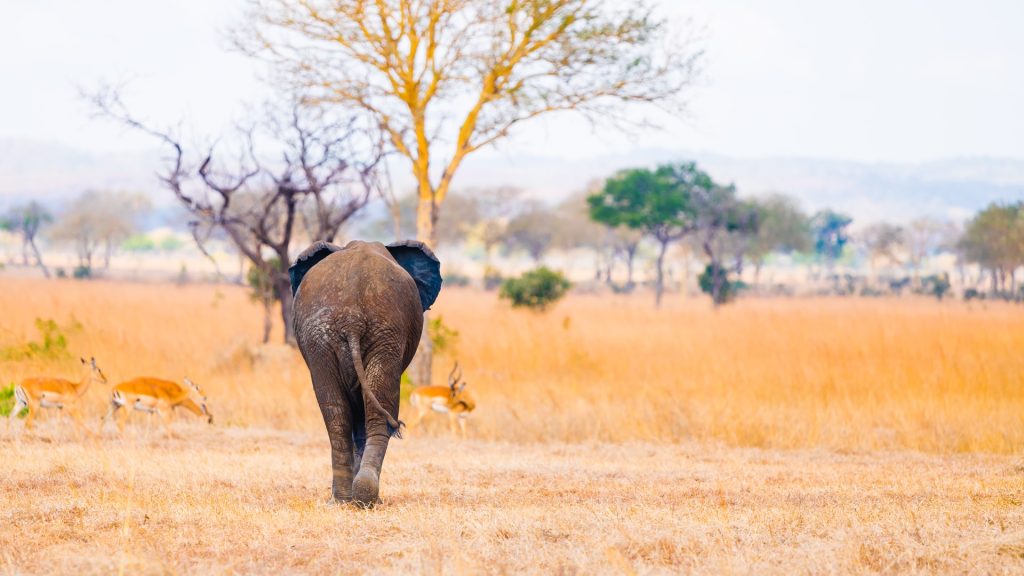
  • Elephants & Rhinos: Though fewer in number, these giants roam the park, often seen in the central and northern regions.
  • Birdlife: With over 500 species, the Serengeti is a paradise for birdwatchers, from the colorful lilac-breasted roller to the massive ostrich.
  • Other Wildlife: Hyenas, jackals, African wild dogs, giraffes, hippos, crocodiles, and a variety of antelope species complete the Serengeti’s incredible ecosystem.

Landscapes & Ecosystem

The Serengeti is not just an open savanna but a diverse landscape:

  • Endless Plains: The southern part of the park is dominated by vast, open grasslands, ideal for spotting large herds and big cats.
  • Kopjes: These ancient rock formations provide shelter for predators like lions and leopards, as well as reptiles and smaller mammals.
  • Woodlands & Riverine Forests: The western and northern Serengeti feature more wooded areas and rivers, where elephants, hippos, and elusive leopards are often found.
  • Mara River & Grumeti River: These are famous crossing points for the Great Migration, where the thrilling predator-prey encounters unfold.

Unforgettable Safari Experiences

A visit to the Serengeti offers more than just wildlife viewing:

  • Game Drives: Explore the park in open safari vehicles, guided by experienced rangers who bring the wilderness to life.
  • Hot Air Balloon Safaris: Soar above the golden plains at sunrise for a bird’s-eye view of the Serengeti—an experience like no other.
  • Walking Safaris: Get up close and personal with nature on foot, led by armed guides who reveal the Serengeti’s hidden wonders.
  • Cultural Tours: Visit nearby Maasai villages and learn about their traditions, history, and deep connection to the land.

Accommodations

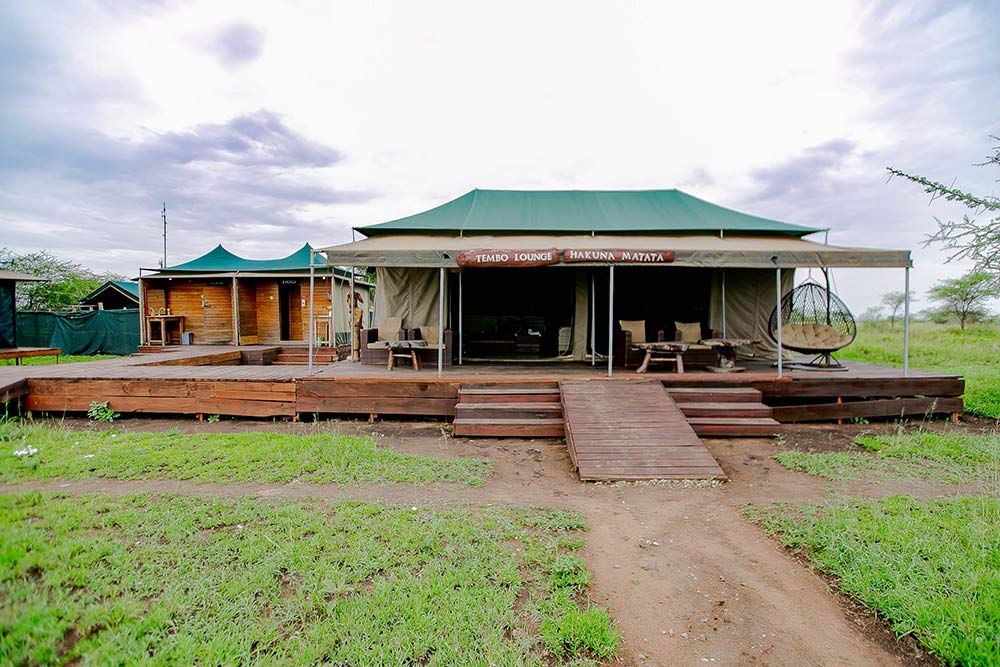
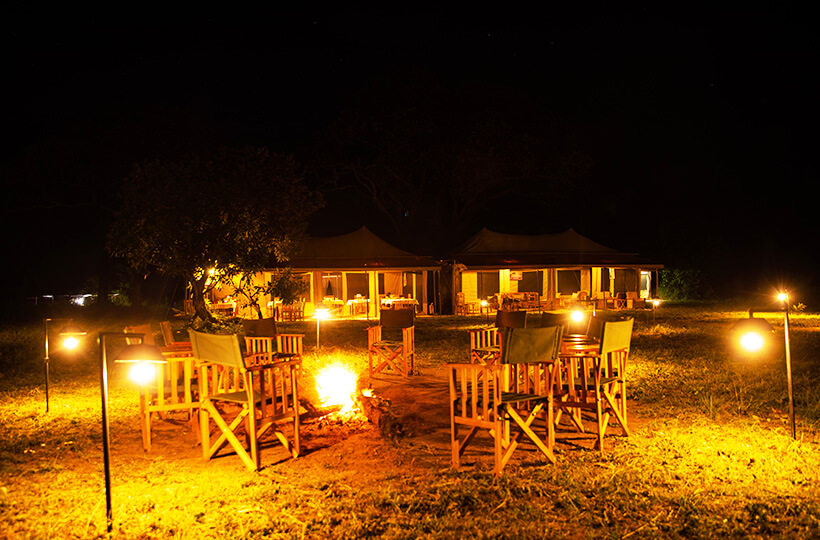
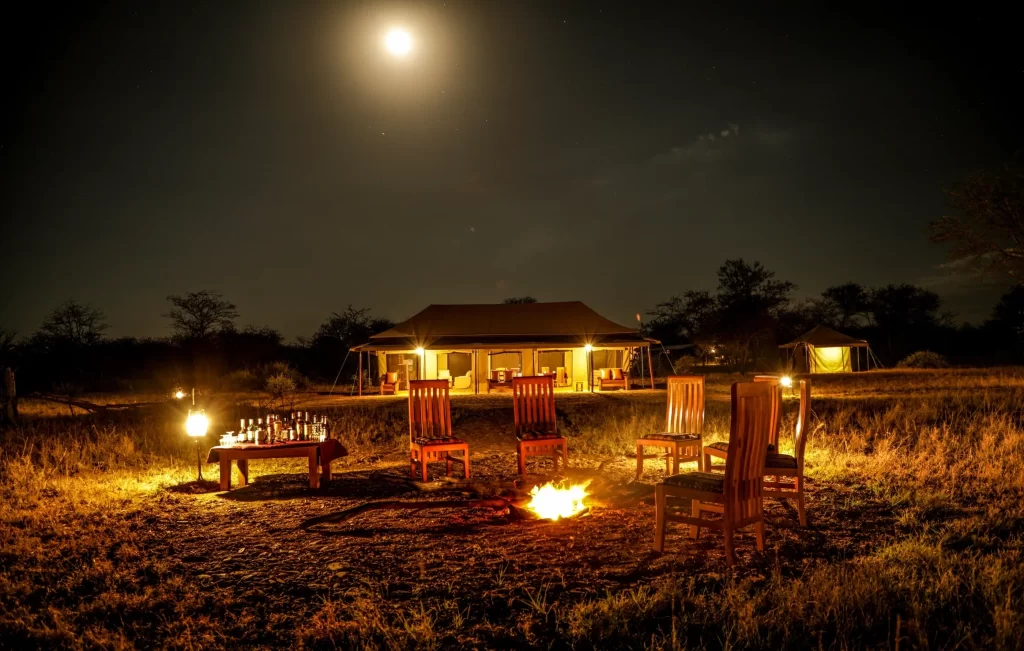
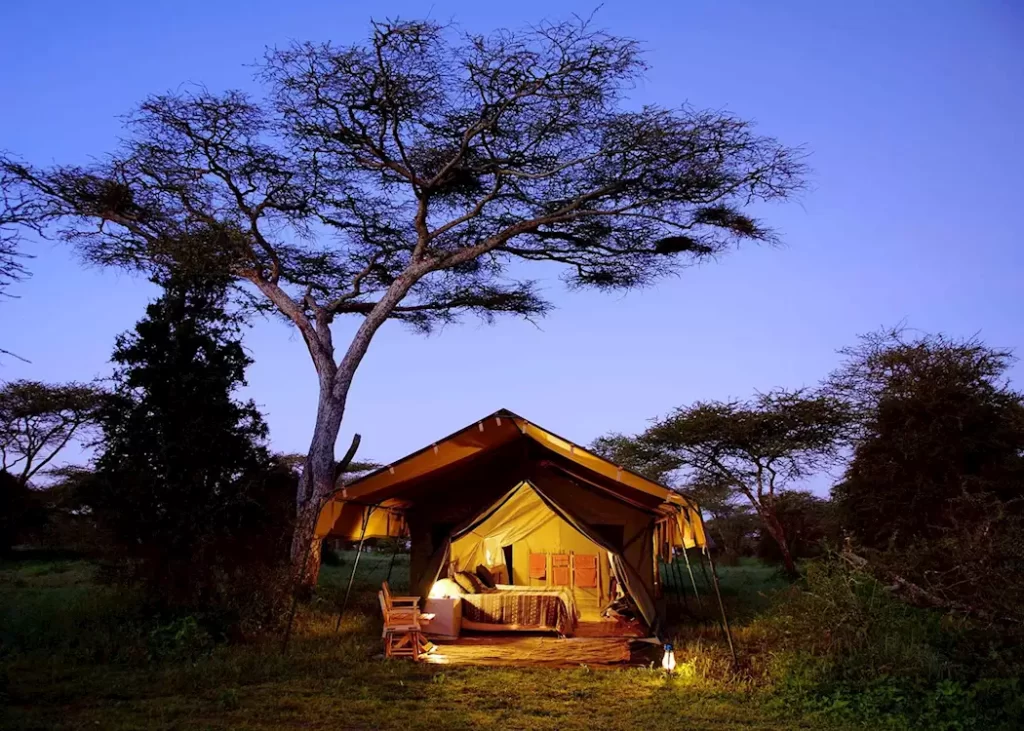
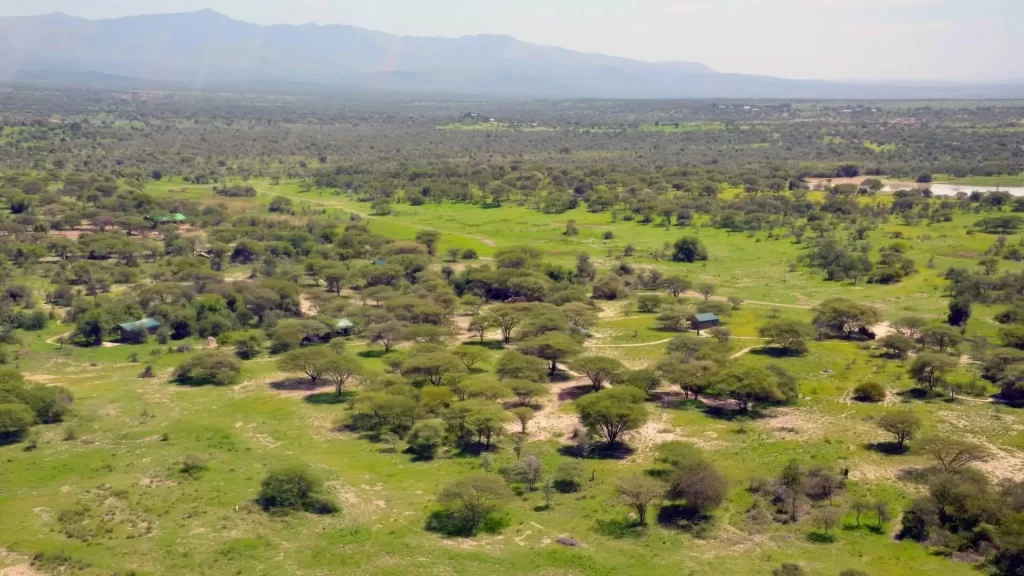
The Serengeti offers a range of accommodations, from budget-friendly campsites to luxurious lodges and tented camps, many of which are strategically located to provide front-row seats to wildlife action. Regardless of where you stay, the sounds of nature—lions roaring, hyenas laughing, and birds chirping are always included.

Why Visit the Serengeti?

Few places on Earth compare to the Serengeti’s sheer beauty, wildlife abundance, and immersive safari experiences. Whether you witness the Great Migration, track big cats, or simply soak in the golden sunsets over the endless plains, Serengeti National Park is a destination that leaves an unforgettable mark on every traveler.

Read More

When To Visit Serengeti National Park

Serengeti National Park in January

Warm, green, and great for wildlife viewing; calving season begins. The Serengeti National Park comes alive during calving season, typically from late January to March. During this vibrant time, the landscape is a lush green, providing a stunning backdrop for observing wildlife in their natural habitat. Thousands of wildebeest and other grazers give birth to their young, creating an exhilarating spectacle as predators like lions and hyenas are drawn to the area for an easy meal.

From early morning to late afternoon, visitors have the best chance to witness these incredible moments. The park’s warm temperatures and clear skies enhance the experience, making wildlife viewing not only comfortable but unforgettable. Take advantage of this remarkable season to immerse yourself in the wonders of nature and witness the circle of life unfolds in one of the world’s most stunning ecosystems.

OUR VIEW

A Very good time to Visit, with Pros & Cons

WEATHER IN JANUARY

Serengeti National Park in February

Peak calving season in the Southern Serengeti; predators are highly active. The Southern Serengeti is currently experiencing its peak calving season, during which a significant number of ungulates give birth to their young. This period, which typically occurs from January to March, attracts a plethora of predators that are highly active as they seek to capitalize on the vulnerable newborns. The concentration of prey during this time creates an ecosystem dynamic that is crucial for both predator sustenance and the overall natural balance. Observing these interactions presents valuable opportunities for research and understanding of predator-prey relationships in this unique environment.

OUR VIEW

A Very good time to Visit.

WEATHER IN FEBRUARY

Serengeti National Park in March

End of the calving season, start of long rains. As the calving season comes to an end, the landscape shifts with the arrival of the long rains. The playful calves, now standing and bonding with their mothers, signify new beginnings in nature. With the onset of the rains, the dry earth welcomes life, transforming into lush green pastures. This critical period fosters the growth of grasses and wildflowers, while farmers prepare for the nourishing moisture essential for crops and livestock. The air is filled with the anticipation of renewal and abundance, marking a vital time in the cycle of life.

OUR VIEW

A Very good time to Visit, with Pros & Cons

WEATHER IN MARCH

Serengeti National Park in April

If you’re planning to visit the Serengeti, be prepared for heavy rains that can lead to lush, vibrant landscapes. However, keep in mind that some roads may become impassable during this season. It’s advisable to check the weather forecast and travel conditions before your trip and consider a reliable vehicle or guided tour to navigate any challenging areas. Enjoy the breathtaking scenery and wildlife, but prioritize safety while exploring!

OUR VIEW

This is not a great time to visit.

WEATHER IN APRIL

Serengeti National Park in May

As the rains decrease, the landscapes of the Serengeti remain lush and green, providing stunning backdrops for wildlife sightings. This time of year marks the start of the migration northward, offering visitors a chance to witness the spectacular movement of herds. Ideal for photography and exploring the vibrant ecosystem, now is the perfect time to experience the Serengeti’s natural beauty.

OUR VIEW

A Very good time to Visit, with Pros & Cons

WEATHER IN MAY

Serengeti National Park in June

Explore the Serengeti this dry season! As herds migrate towards the western corridor, you’ll have a front-row seat to one of nature’s most breathtaking spectacles. Don’t miss this incredible opportunity to see the drama of wildlife as they congregate around vital water sources. Join us for an unforgettable adventure that will leave you in awe of the wild!

OUR VIEW

A Very good time to Visit.

WEATHER IN JUNE

Serengeti National Park in July

Now is the perfect time to witness river crossings at Grumeti! The wildlife visibility is exceptional, providing a thrilling opportunity to see various species as they navigate the river. This is a highlight of the migration season don’t miss your chance to experience the incredible sights and sounds of nature in action. Join us for an unforgettable journey!

OUR VIEW

A Very good time to Visit.

WEATHER IN JULY

Serengeti National Park in August

Migration moves north to the Mara River; dramatic crossings occur. Experience the excitement of the Serengeti as the migration shifts north toward the Mara River. Witness the breathtaking and dramatic river crossings, where wildebeest and zebras bravely navigate the challenges of the water, creating a memorable spectacle. Don’t miss the chance to see this incredible natural event!

OUR VIEW

A Very good time to Visit.

WEATHER IN AUGUST

Serengeti National Park in September

Embark on an unforgettable journey in the Serengeti during the dry season, the ultimate time for exhilarating safaris. Watch in awe as majestic herds migrate south across the stunning savannah, offering unrivaled opportunities for breathtaking wildlife photography and memorable encounters with nature. Join us for a tour that immerses you in the heart of this extraordinary landscape, where every moment is a captivating adventure!

OUR VIEW

A Very good time to Visit.

WEATHER IN SEPTEMBER

Serengeti National Park in October

Experience the magic of the Serengeti as the short rains bring life back to the landscape! Witness the vibrant, fresh vegetation that attracts wildlife, making this a perfect time for incredible safari adventures. Don’t miss the opportunity to see the Serengeti transform into a lush paradise, ideal for spotting majestic animals in their natural habitat. Book your journey now and immerse yourself in the beauty of nature!

OUR VIEW

A Very good time to Visit.

WEATHER IN OCTOBER

Serengeti National Park in November

While the short rains persist, the magnificent migration is once again making its way back to the heart of the Serengeti.

OUR VIEW

A Very good time to Visit.

WEATHER IN OCTOBER

Serengeti National Park in December

This month is one of the best times to visit. The weather is pleasantly warm, and the wildlife is incredibly active during this period. You’ll have the opportunity to witness the Great Migration, with herds of wildebeest and zebras making their way across the plains. Plus, clear skies and vibrant landscapes create perfect conditions for photography and exploration. Don’t miss out on this incredible experience—now is the perfect time to immerse yourself in the wonders of the Serengeti!

OUR VIEW

A Very good time to Visit.

WEATHER IN OCTOBER

The Serengeti National Park Hotels

Our recommendations for the best places to stay in Serengeti National Park
ZI5A2014

Central Serengeti Luxury Camp

koga9 270

Sero Tented Camp

on budget

Budget Camping

Serengeti Wild Camp5

Serengeti Wild Camp

caption (7)

Land of Nature Camp

rs=w 2320,h 1474

Into wild Africa Tented Camp

kontiki ftrd

kontiki serengeti camp

2o

Matawi Serengeti Camp

SH SST 1

Safari Haven Serengeti Camp

341335 nomad serengeti safari camp

Serengeti Safari Camp

Serengeti National Park Tours

Our recommendations for the best tours in Serengeti National Park
No data was found

You may also like

karatu view

Northern Circuit

Karatu

lake natroni

Northern Circuit

Lake Natron National Park

15 Surprising Truths About Mount Kilimanjaro

Northern Circuit

Mount Kilimanjaro National Park

lake manyara featutred

Northern Circuit

Lake Manyara National Park

zanzibar (13)

Costal Circuit

Zanzibar

arusha national park (1)

Northern Circuit

Arusha National Park

Our travel experts are here to design your perfect holiday
no matter how you choose to enquire.

Call us

Our dedicated call centre is here to answer your questions and help you plan your perfect holiday.

Email us

Have questions, need to modify your Enquire, or want to chat? We’re available online from 24 hrs.

Customize your Trip

Our dedicated call centre is here to answer your questions and help you plan your perfect holiday.