Mikumi National Park, established in 1964, is Tanzania’s fourth-largest national park, covering approximately 3,230 square kilometers.
Located about 280 kilometers west of Dar es Salaam, it offers an accessible and diverse safari experience for visitors seeking to explore East Africa’s rich wildlife and landscapes.
Situated near Morogoro, Mikumi National Park is bordered to the south by the Selous Game Reserve, together forming a unique ecosystem. The park is also in proximity to the Udzungwa and Uluguru Mountains, enhancing its ecological significance. The Tanzania A-7 highway crosses the park, facilitating convenient access from major cities like Dar es Salaam, which is approximately a 4-5 hour drive away.
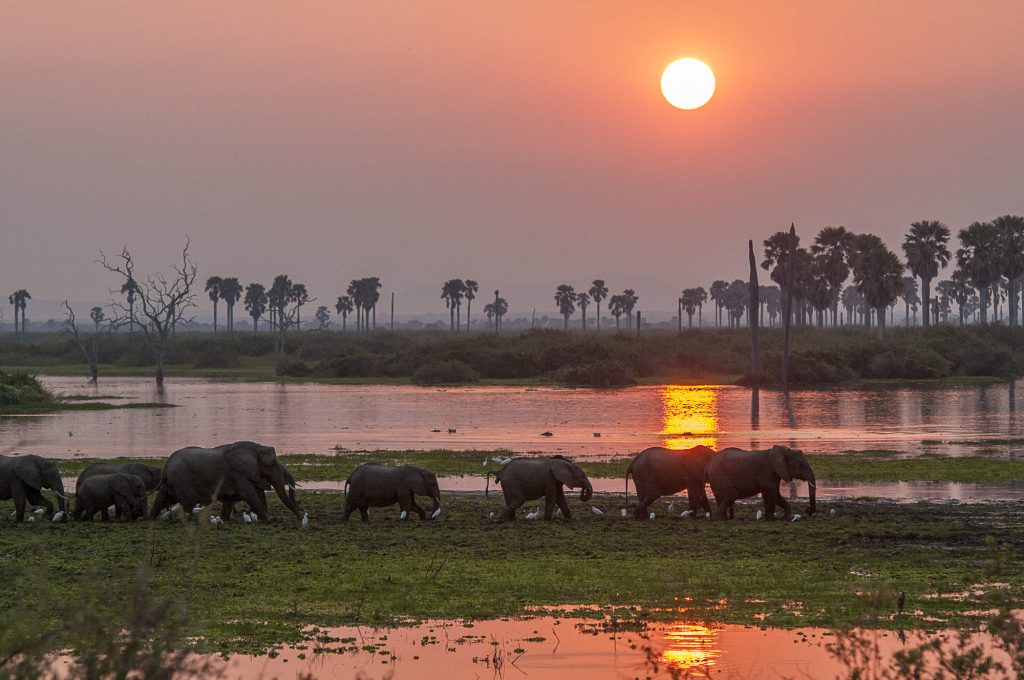
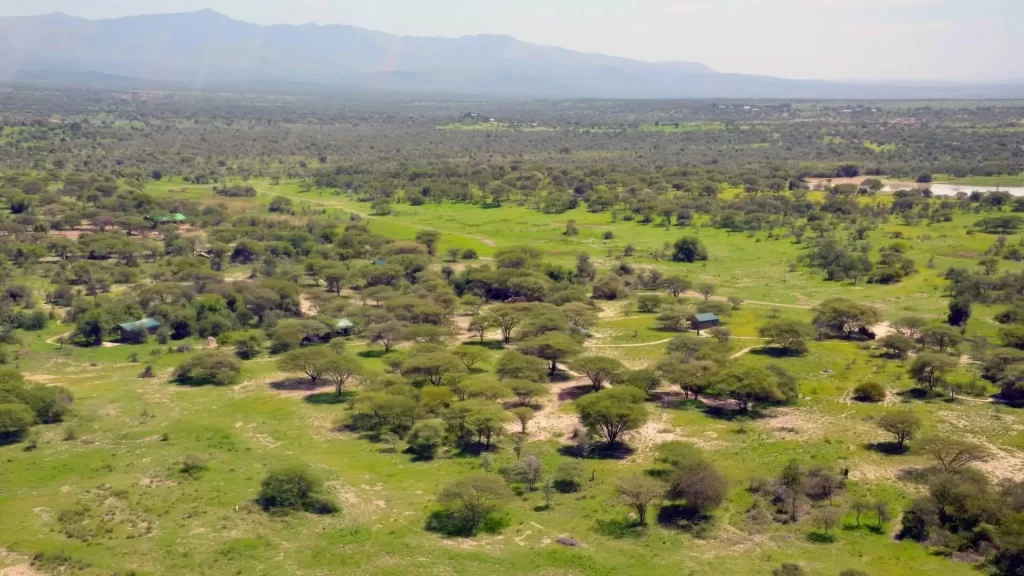
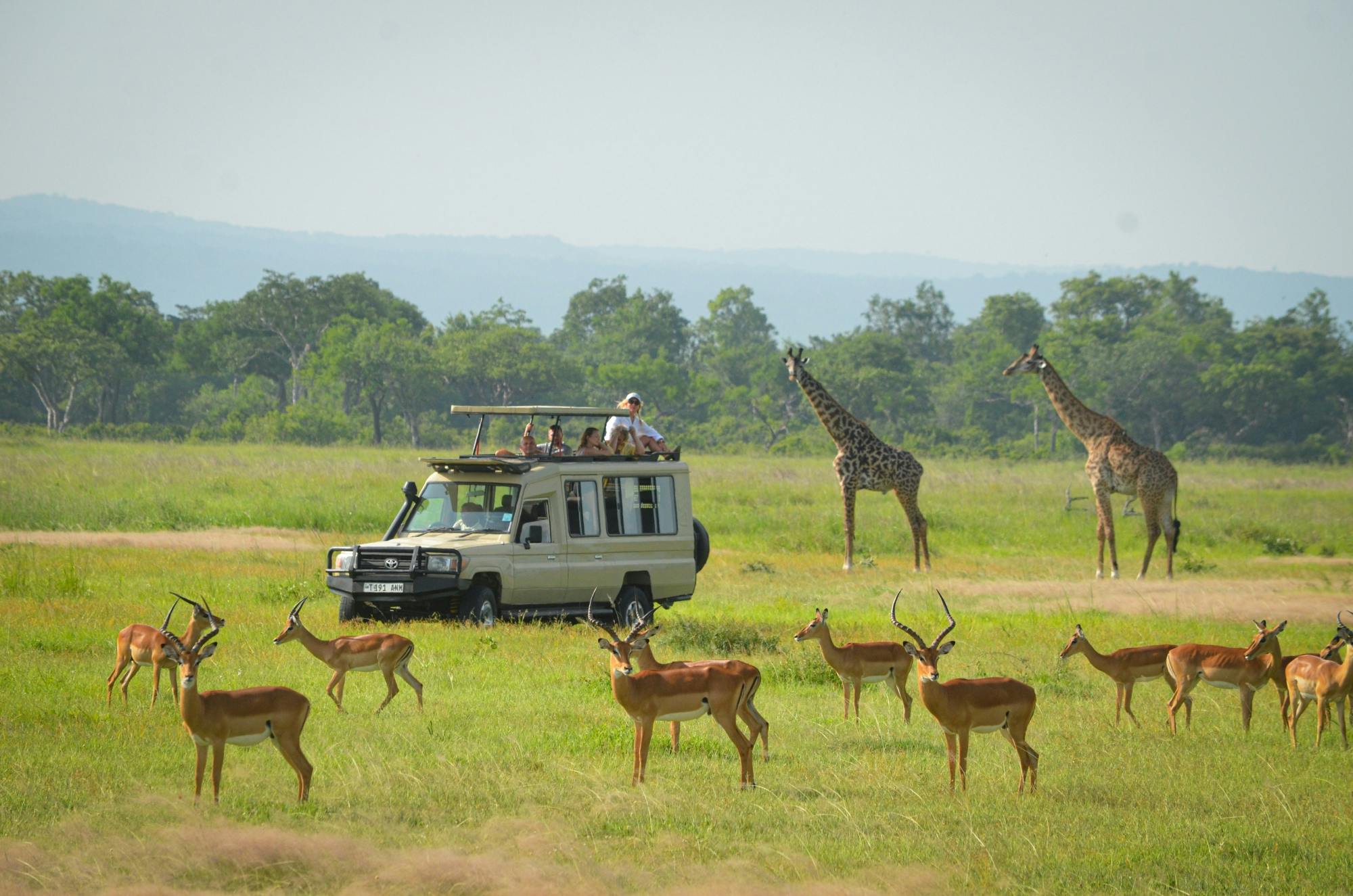
The landscape of Mikumi is often compared to that of the Serengeti, characterized by expansive savannahs dotted with acacia, baobab, tamarind, and rare palm trees. The northwest region features the alluvial plains of the Mkata River basin, while the southeast is less frequented and more secluded. The park is home to a variety of wildlife, including elephants, giraffes, zebras, buffaloes, wildebeests, and several antelope species such as impala, eland, and kudu. Predators like lions and leopards are also present, and over 400 bird species have been recorded, making it a haven for bird enthusiasts.
Attractions and Activities
Game Drives: The park offers excellent game viewing opportunities, especially in the Mkata floodplain, where wildlife is abundant and easily spotted.
Hiking: For those interested in exploring on foot, the nearby Udzungwa Mountains provide hiking trails through lush forests, leading to stunning waterfalls and panoramic views.
Cultural Tours: Visitors can engage with local communities to experience traditional Tanzanian culture and learn about the lifestyles of indigenous tribes.
Accommodation
Mikumi National Park caters to various preferences and budgets with a range of accommodations:
Luxury Lodges: Offer high-end amenities and services for a comfortable stay.
Tented Camps: Provide an immersive bush experience without compromising on comfort.
Public Campsites: Ideal for budget travelers and adventurers seeking a closer connection to nature.
Best Time to Visit
The park is accessible year-round, but the dry season, from June to October, is ideal for wildlife viewing as animals gather around water sources, making them easier to spot. The wet season, from November to May, brings lush landscapes and is perfect for bird watching, although some areas may be less accessible due to rains.
Conclusion
Mikumi National Park offers a quintessential Tanzanian safari experience with its diverse wildlife, scenic landscapes, and accessibility. Whether you’re a seasoned traveler or a first-time visitor, Mikumi provides an unforgettable journey into the heart of Africa’s natural beauty.




January in Mikumi is a mix of sunshine and rainfall, making it a beautiful time for photographers. The landscape is lush and green, and wildlife is active, though sometimes dispersed due to the abundant water sources. Birdwatchers will be thrilled, as migratory birds from Europe and Asia are present in large numbers.
A Very good time to Visit, with Pros & Cons
February is a transitional month before the heavier rains arrive. It’s still a great time for game drives as the park is not too muddy, and animals are easily spotted in open areas. The scenery remains green, and predator sightings, especially lions, are common near waterholes.
A Very good time to Visit, with Pros & Cons
March marks the start of the long rains, and while the park remains open, access to some areas can become challenging. Animals spread out, and game drives may be more difficult due to muddy roads. However, this is still a good time for birdwatching and photography, as the greenery is at its peak.
This is not a great time to visit.
April is the wettest month in Mikumi, and travel can be difficult due to muddy terrain and occasional flooding. Many lodges offer discounted rates, making it an ideal time for budget travelers who don’t mind the rain. Wildlife is harder to spot, but the park remains stunning with dramatic rain-fed scenery.
This is not a great time to visit.
May marks the end of the heavy rains, with intermittent showers still present. The park starts drying up, and animals gradually become more visible as they move back to open plains. The landscape is still lush, making it one of the most scenic months to visit.
A Very good time to Visit, with Pros & Cons
June is the beginning of the dry season, meaning animals gather near permanent water sources, making sightings easier. The road conditions improve, and it becomes an excellent time for game drives. With fewer tourists compared to July and August, June offers a great balance of good weather and privacy.
A Very good time to Visit.
July is one of the best months to visit Mikumi. The weather is perfect, and animals concentrate around rivers and waterholes. Predator sightings, especially lions and leopards, are frequent. With school holidays in Europe and North America, it’s a busy month, so early booking is recommended.
A Very good time to Visit.
August continues to be a prime safari month with excellent wildlife viewing conditions. The grass is short, making it easier to spot animals from a distance. Elephants, buffalo, and giraffes are commonly seen, and night safaris offer a chance to see nocturnal creatures in action.
A Very good time to Visit.
September is a fantastic time to visit Mikumi, as the weather remains dry, but crowds begin to thin out after the peak season. This is one of the best months for uninterrupted game viewing, and temperatures are comfortable for full-day game drives.
A Very good time to Visit.
October is still a great month for safaris, though light rains may start towards the end of the month. Wildlife is still concentrated around waterholes, and the park is less busy, making it an excellent time for a more private safari experience.
A Very good time to Visit.
November signals the beginning of the short rains, but unlike the long rains in March-April, these showers are usually brief and don’t disrupt game drives much. The scenery starts to turn green again, and this is the time when many herbivores give birth, leading to increased predator activity.
A Very good time to Visit, with Pros & Cons
December is a unique time to visit Mikumi, with the park taking on a lush, green appearance. Wildlife is still abundant, and holiday travelers enjoy festive safaris. The rains don’t usually last all day, meaning game drives are still rewarding. It’s a great way to celebrate the holiday season in the wild.
A Very good time to Visit, with Pros & Cons
Our dedicated call centre is here to answer your questions and help you plan your perfect holiday.
Have questions, need to modify your Enquire, or want to chat? We’re available online from 9 AM.
Our dedicated call centre is here to answer your questions and help you plan your perfect holiday.
WhatsApp us
Tell us what you’re planning and let our experts help you with your holiday