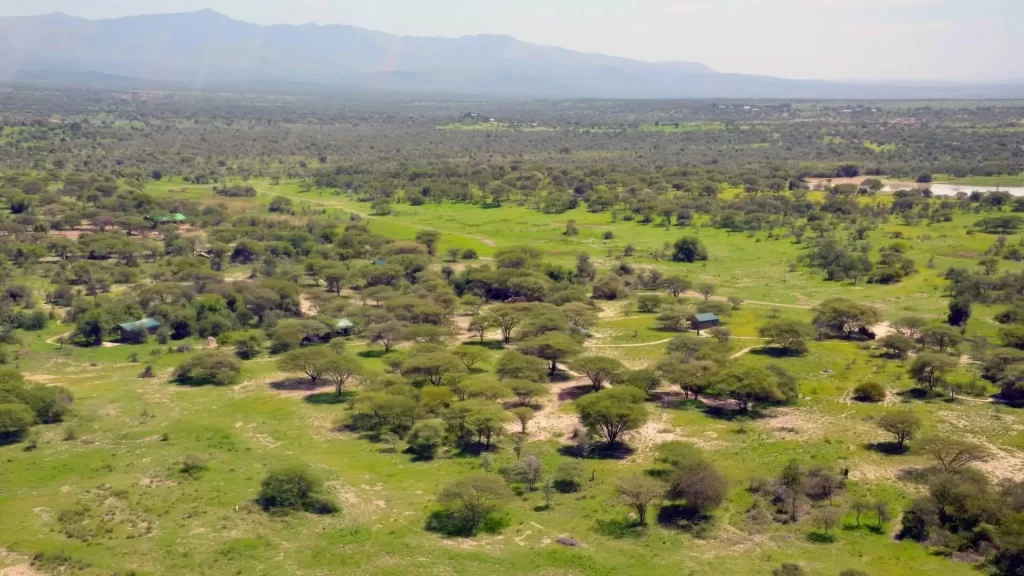
The Selous Game Reserve, now part of the Nyerere National Park, is one of Africa’s largest and most unspoiled wilderness areas. Spanning over 50,000 square kilometers, it offers a diverse range of ecosystems, from dense woodlands and open plains to intricate river systems. This vast sanctuary is a haven for wildlife enthusiasts seeking an authentic and less-commercialized safari experience.
Located in southern Tanzania, the Selous is accessible via:
By Air: Charter flights from Dar es Salaam to various airstrips within the reserve.
By Road: A six to seven-hour drive from Dar es Salaam, though road conditions can be challenging, especially during the rainy season.
Flora and Fauna
The reserve’s vast landscapes support a rich array of wildlife:
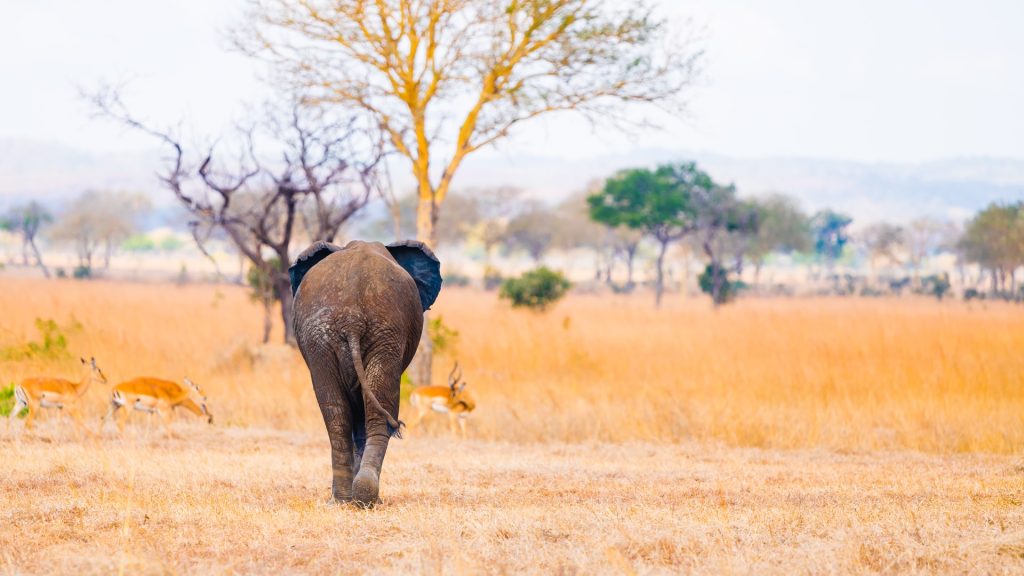
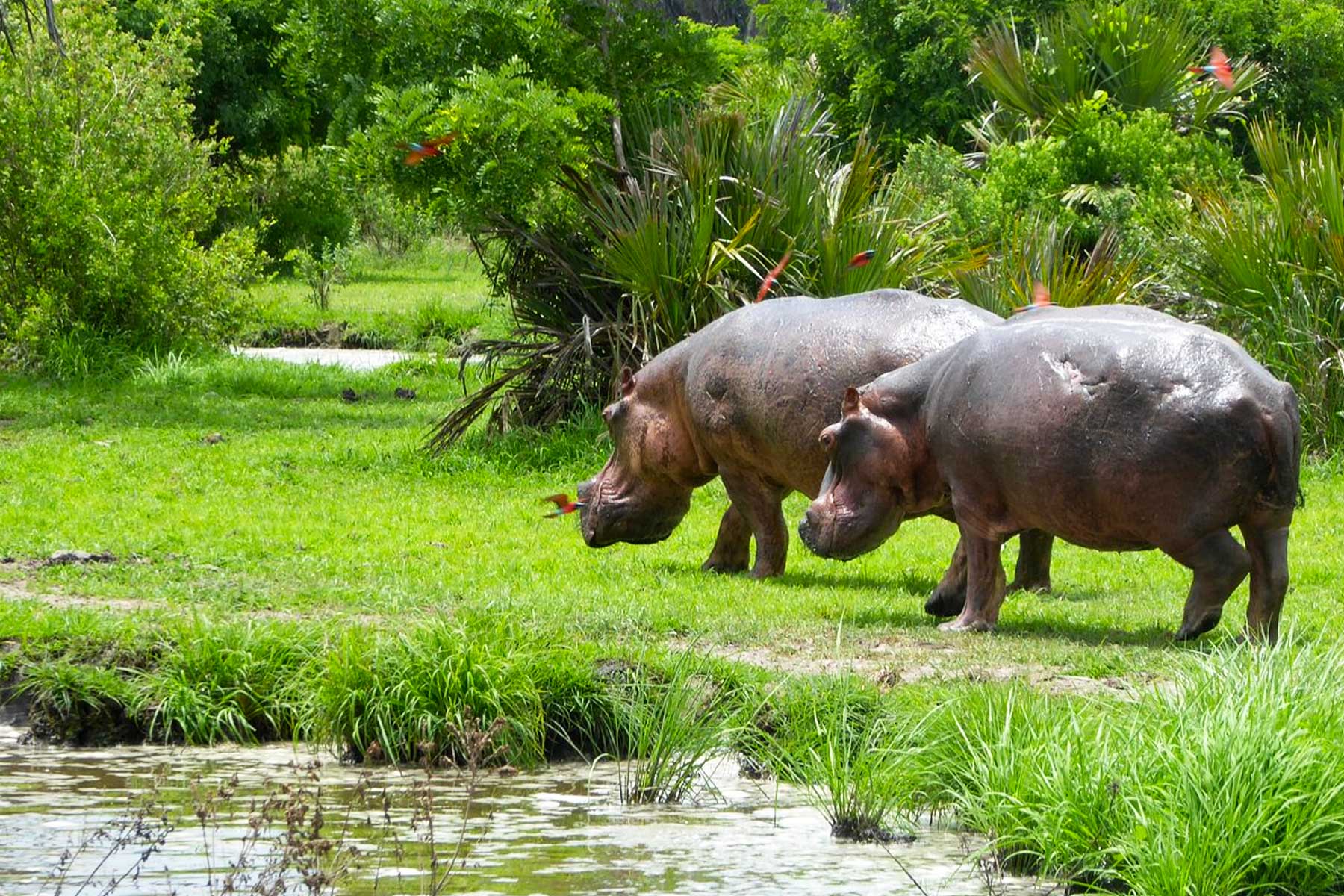
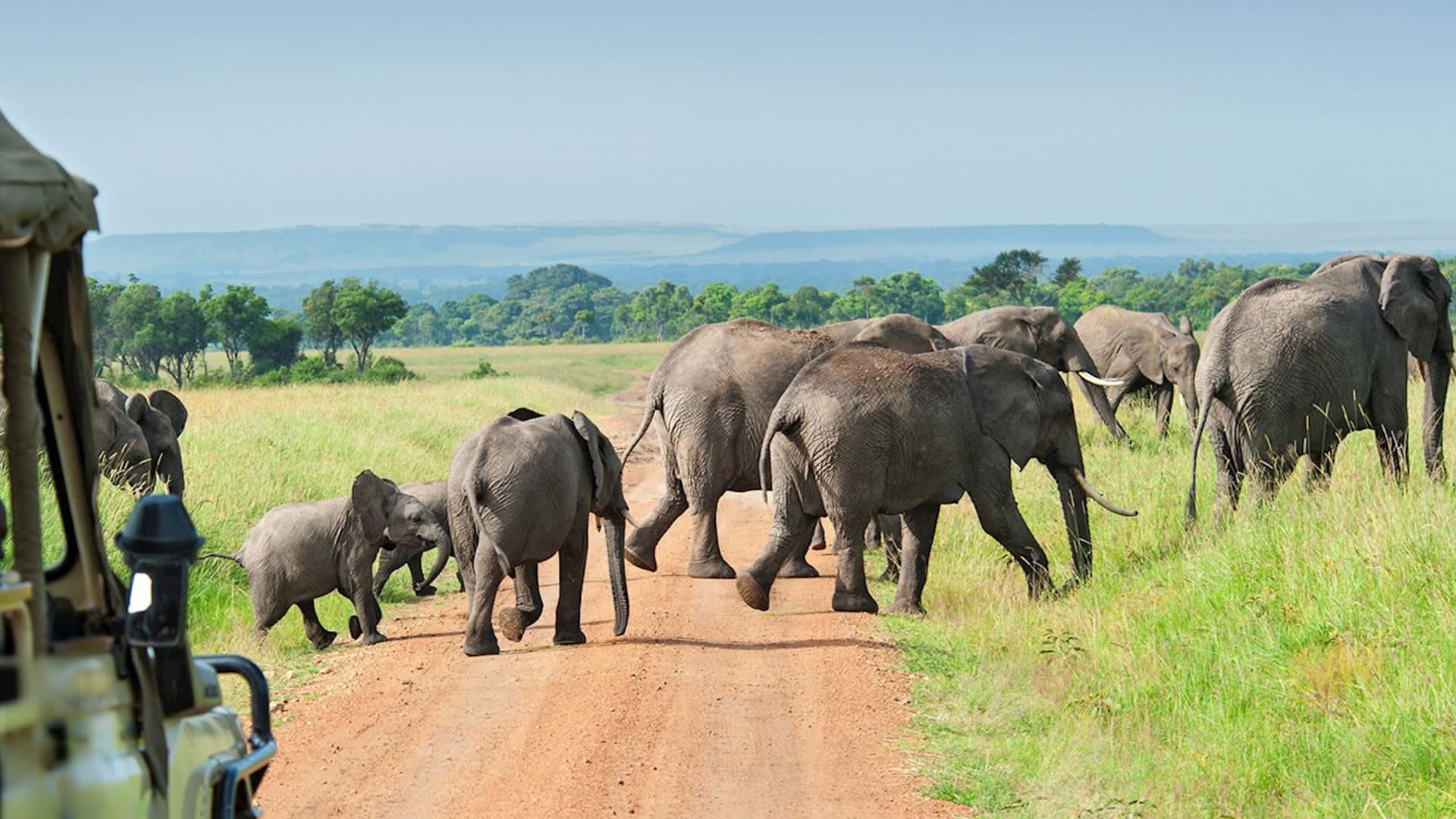
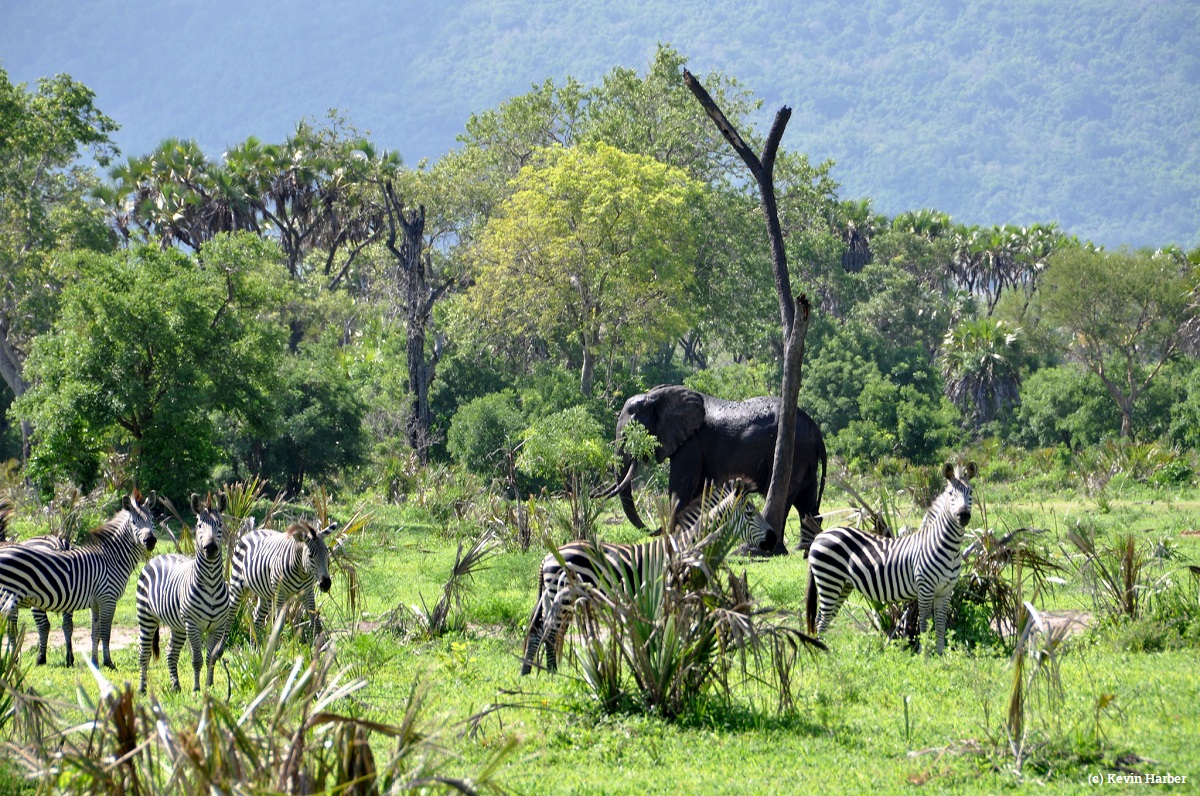
Mammals: Home to significant populations of elephants, lions, leopards, African wild dogs, and hippos.
Birdlife: Over 440 bird species, including the African fish eagle and the rare Pel’s fishing owl.
Reptiles: Notable for its large crocodile populations along the Rufiji River.
Attractions and Activities
Visitors to the Selous can engage in a variety of activities:
Game Drives: Explore diverse habitats teeming with wildlife.
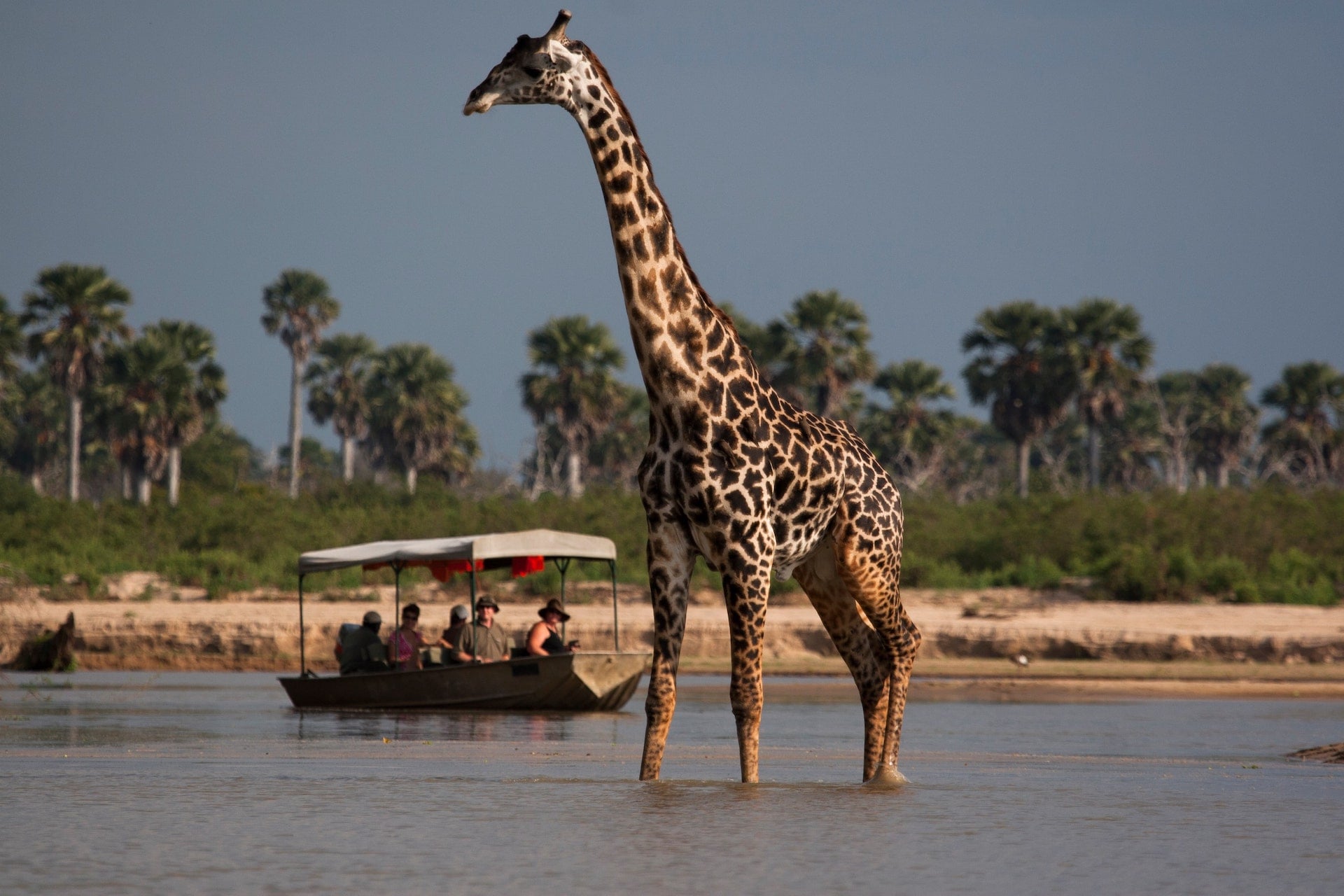
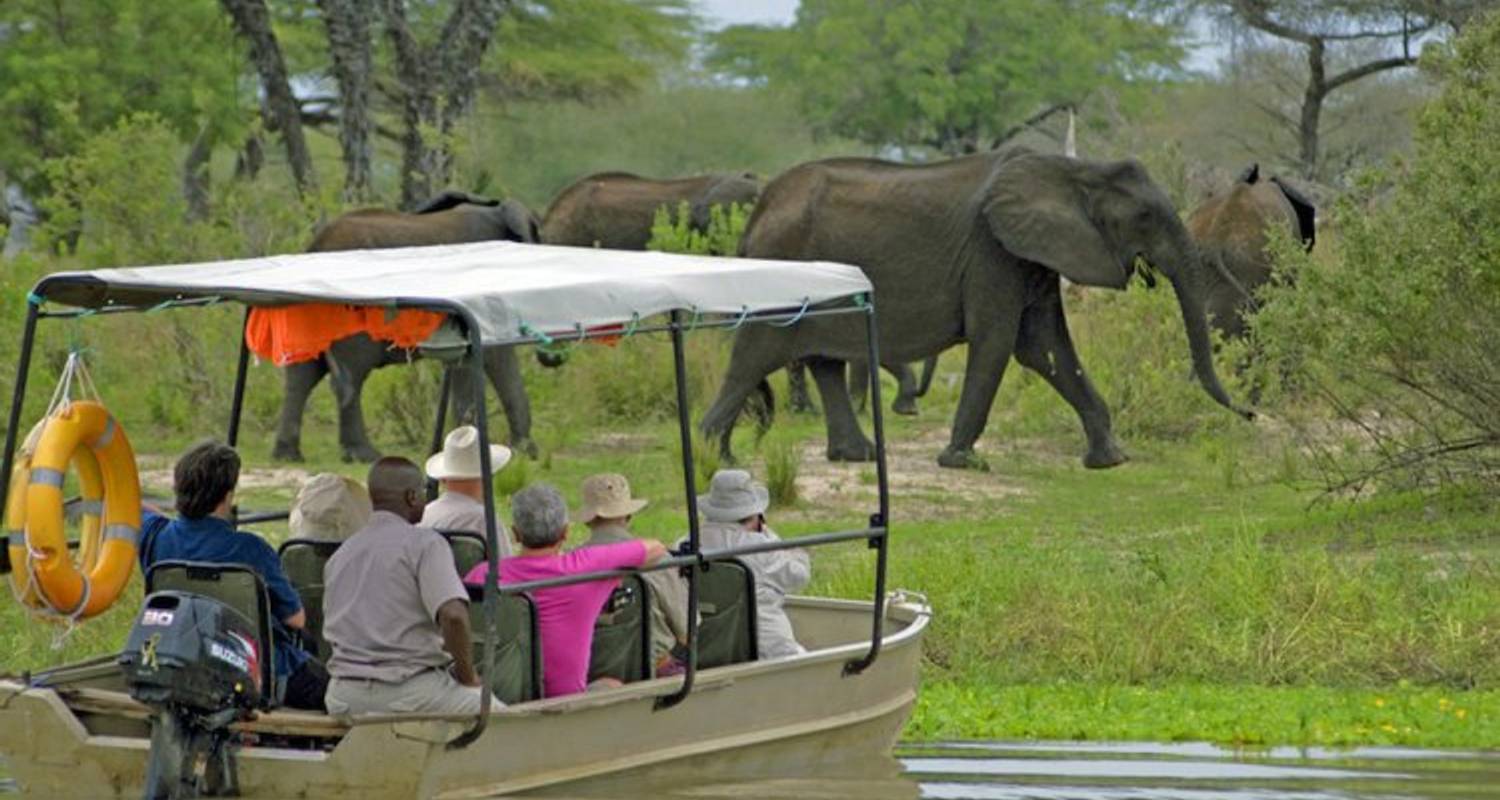
Boat Safaris: Navigate the Rufiji River to observe aquatic life and bird species.
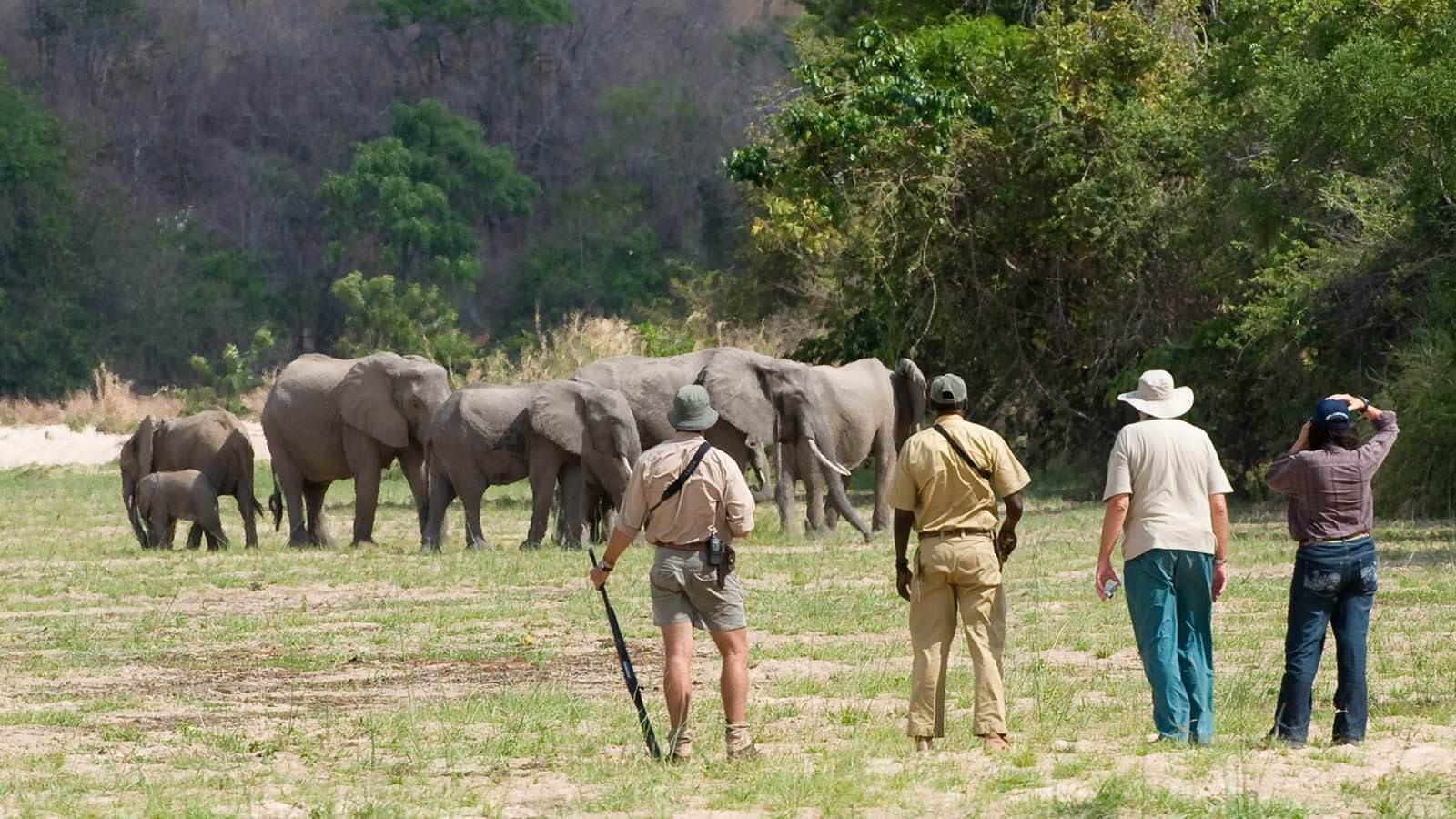
Walking Safaris: Experience the bush up close with guided walks, focusing on flora, smaller fauna, and tracking.
Accommodation
The reserve offers various lodging options:
Luxury Lodges: Provide upscale amenities with stunning views.
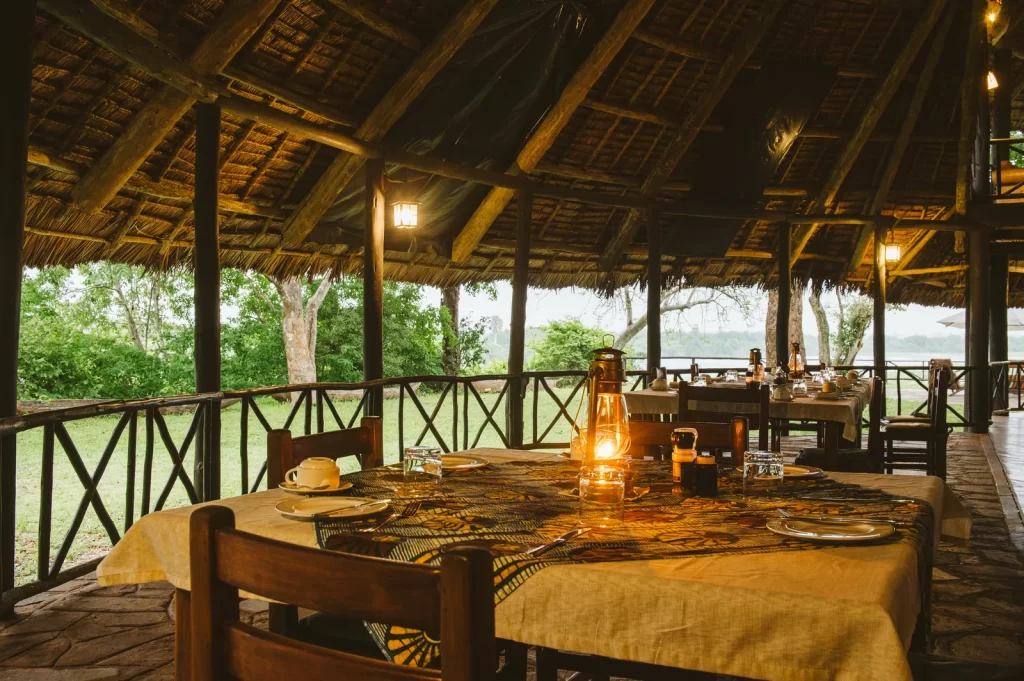
Tented Camps: Offer a blend of comfort and rustic charm, immersing guests in nature.
Public Campsites: Ideal for budget travelers seeking a closer connection to the wild.
Best Time to Visit
The Selous is accessible year-round, but the dry season (June to October) is ideal for wildlife viewing as animals congregate near water sources. The wet season (November to May) brings lush landscapes and is excellent for birdwatching, though some areas may be less accessible due to rains.
Conclusion
The Selous Game Reserve offers a unique safari experience, combining vast wilderness with diverse wildlife. Whether you’re seeking thrilling game drives, serene boat safaris, or immersive walking tours, the Selous provides an unforgettable Tanzanian adventure.

anuary is an excellent time for nature lovers who appreciate vibrant landscapes. The park is lush and green, making it a paradise for birdwatchers as migratory species from Europe and Asia flock here. The wildlife is still visible, but game viewing requires patience due to thick vegetation. Boat safaris along the Rufiji River are fantastic this month, as the scenery is breathtaking with animals drinking at the water’s edge. Afternoon rains may occur but are usually short-lived
A Very good time to Visit, with Pros & Cons
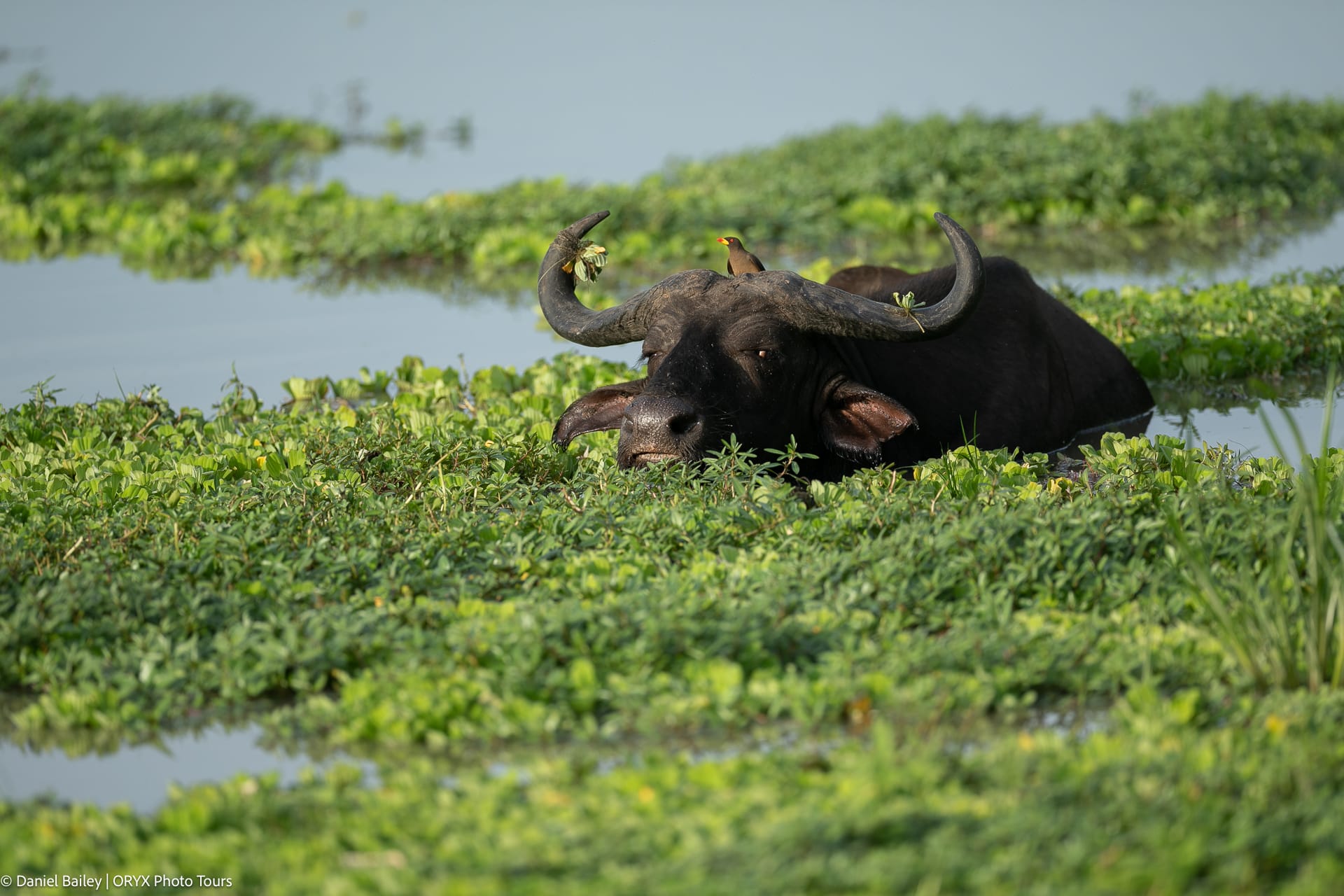
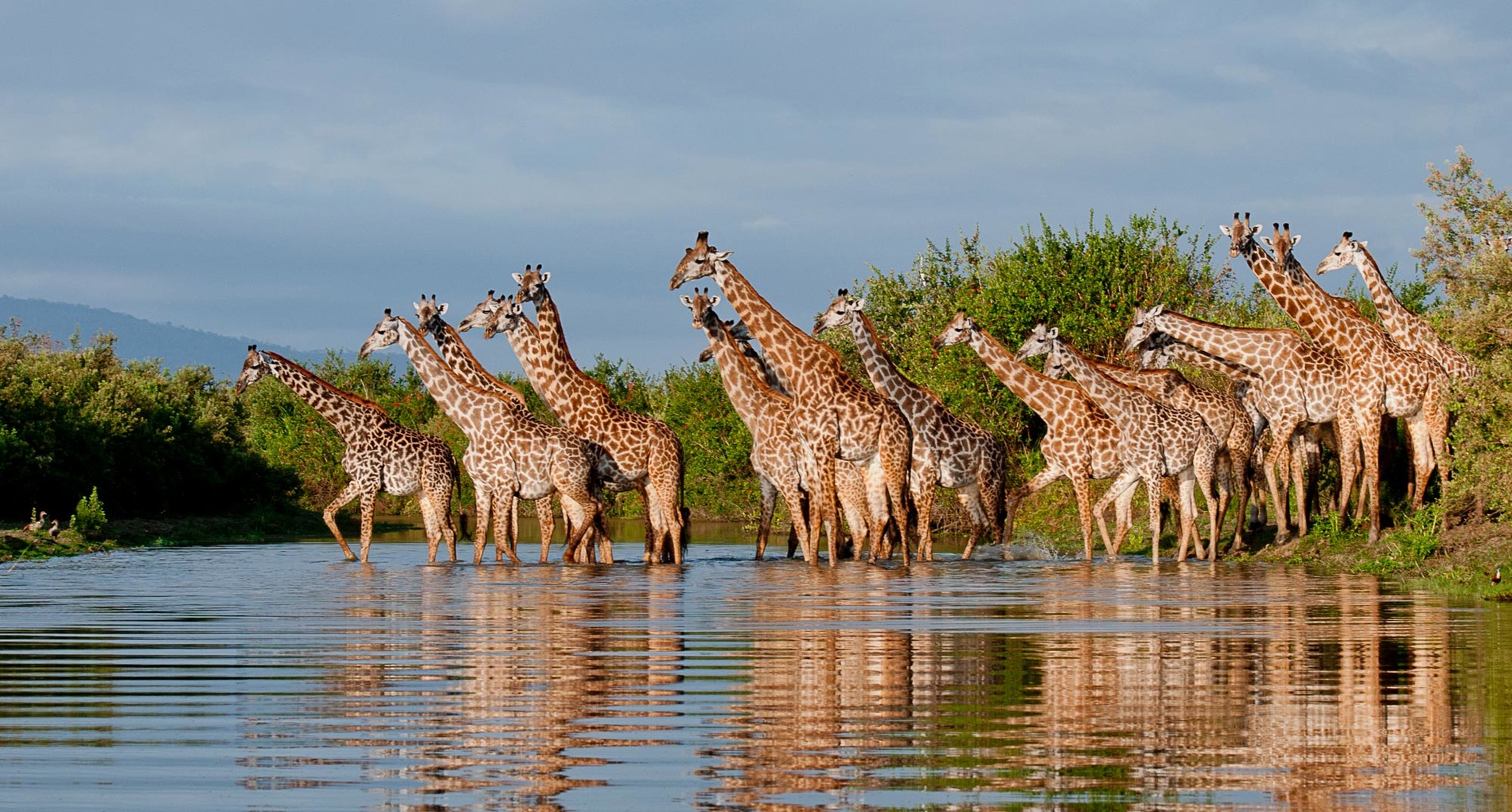
February offers a balance of green scenery and decent game viewing. The wildlife begins to gather near water sources as some areas start drying up. Elephants, giraffes, and buffaloes can be spotted easily, and predators are always lurking nearby. The Rufiji River remains a highlight for boat safaris, where crocodiles and hippos thrive. The afternoon showers continue but are manageable for game drives.
A Very good time to Visit, with Pros & Cons
March marks the beginning of the long rainy season, leading to fewer visitors in the park. The grass is tall, making it harder to spot wildlife, but the atmosphere is serene, and the park feels untouched. Some roads may become muddy and challenging to navigate. However, the Rufiji River remains a great spot to see hippos and crocodiles. Walking safaris may be limited due to the wet conditions, but the birdlife is still incredible.
This is not a great time to visit.
April is the wettest month in Selous, making it the most difficult time for a safari. Many lodges and camps close due to the heavy rainfall and impassable roads. The park is still stunning in its own right, with abundant water and flourishing vegetation, but wildlife viewing is tough. If you’re looking for a quiet, off-the-beaten-path experience and don’t mind the rain, this could be an adventurous time to visit.
This is not a great time to visit.
May is a transitional month where the rains start to ease, and the park remains beautifully green. Game drives become more manageable as some areas dry up, and wildlife begins to move back to more accessible locations. Predators take advantage of the weakened herbivores, leading to dramatic sightings. Boat safaris are still excellent, offering close encounters with aquatic wildlife. This is also a great time for photographers looking for lush landscapes.
A Very good time to Visit, with Pros & Cons
June is the start of the dry season and one of the best times to visit Selous. The wildlife becomes easier to spot as the vegetation begins to thin out. Animals gather around water sources, making game drives more rewarding. Boat safaris on the Rufiji River are spectacular, with plenty of activity along the riverbanks. The weather is comfortable, with warm days and cooler evenings, making it ideal for long safaris.
A Very good time to Visit.
July is one of the best months for visiting Selous. Wildlife sightings are at their peak, with large herds of elephants, buffalo, and zebra gathering near water sources. Predators like lions and leopards are more active, creating thrilling game drives. The weather is perfect for all activities, including boat safaris, walking safaris, and fly-camping under the stars. Due to its popularity, it’s advisable to book accommodations early.
A Very good time to Visit.
August offers prime safari conditions with minimal rainfall and excellent wildlife sightings. The Rufiji River remains a hotspot, attracting large numbers of animals. Walking safaris are at their best, allowing close encounters with giraffes, antelopes, and even predators from a safe distance. This is also a great time for families, as the weather is pleasant and the chances of seeing the Big Five are high.
A Very good time to Visit.
September retains all the advantages of the peak season but with fewer tourists. This means a more private and intimate safari experience. The animals remain concentrated around water sources, and the dry terrain makes them easy to spot. It’s a perfect month for photography, with golden sunsets and clear blue skies.
A Very good time to Visit.
October marks the start of the short rains, refreshing the park without disrupting game drives too much. The greenery begins to return, making the landscape more scenic. Animals are still easy to spot, and boat safaris remain excellent. Afternoon showers are possible but don’t last long. This is an ideal month for travelers who want great game viewing with fewer crowds.
A Very good time to Visit.
November sees the short rains revitalizing the landscape. While some areas may become muddy, wildlife remains active, and birdwatching is excellent. It’s a quieter time to visit, making it great for those who prefer solitude in the wilderness. The temperatures are warm, and the park starts transitioning back to its lush green state.
A Very good time to Visit, with Pros & Cons
December offers a unique safari experience during the holiday season. The park is green and teeming with birdlife, while wildlife remains active near water sources. The rains are usually short and won’t interfere much with game drives. This is a great time for a festive safari adventure with family and friends, combining nature with a holiday spirit.
A Very good time to Visit, with Pros & Cons
Our dedicated call centre is here to answer your questions and help you plan your perfect holiday.
Have questions, need to modify your Enquire, or want to chat? We’re available online from 9 AM.
Our dedicated call centre is here to answer your questions and help you plan your perfect holiday.
Tell us what you’re planning and let our experts help you with your holiday