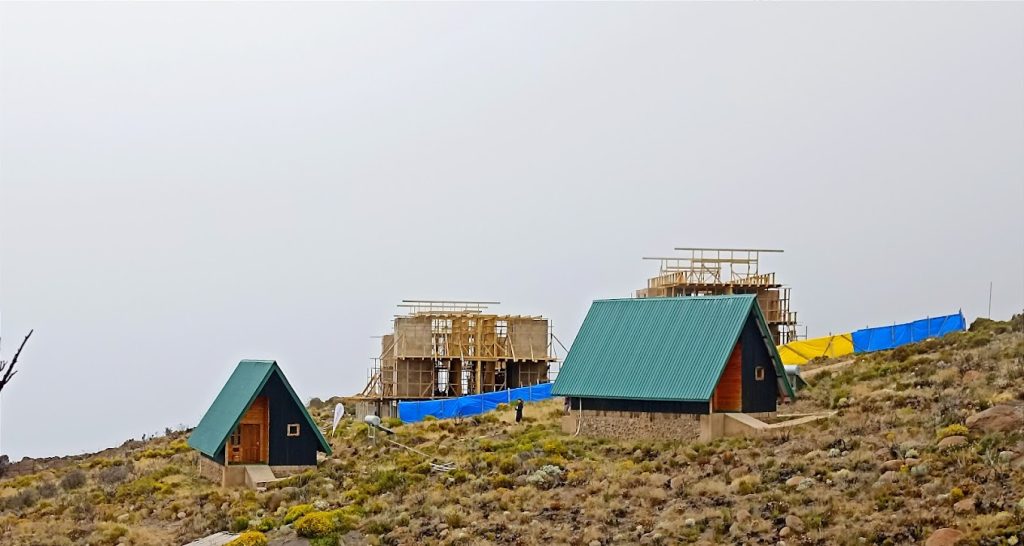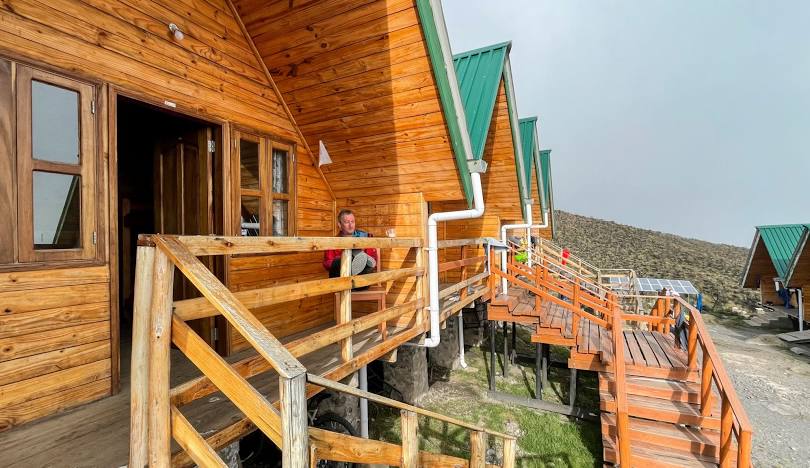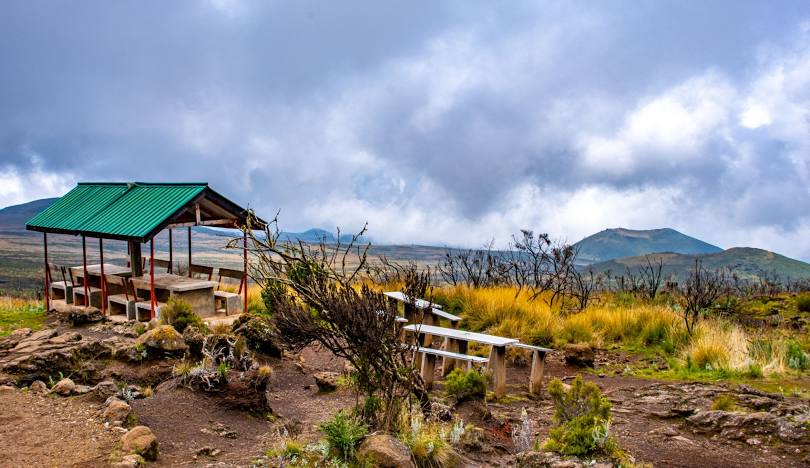
Welcome to the ultimate destination for adventure and natural beauty – Mt. Kilimanjaro National Park in Tanzania. Whether you’re an avid hiker, wildlife enthusiast, or simply in search of breathtaking landscapes, this national park offers an unforgettable experience that merges natural splendor with cultural richness.
Mt. Kilimanjaro is not just Africa’s highest peak; it’s a symbol of endurance, mystery, and unparalleled beauty. Visitors come from around the globe to witness the varied ecosystems, ranging from lush rainforest to arctic summit conditions, all in one incredible journey.
Iconic Landmark: Recognized worldwide, Kilimanjaro stands as a beacon for adventurers.
Diverse Ecosystems: Experience tropical forests, alpine meadows, and arctic vistas.
Cultural Experience: Engage with local Chagga communities and immerse yourself in Tanzania’s rich heritage.
Embark on the ultimate trekking challenge by climbing Africa’s tallest mountain. With multiple routes available, each path offers unique views and varying levels of difficulty, catering to both seasoned climbers and ambitious beginners.
Marangu Route: Often known as the “Coca-Cola Route” for its popularity and gradual ascent.
Machame Route: Offers a more challenging and scenic experience, often referred to as the “Whiskey Route.”
Lemosho and Rongai Routes: Ideal for those seeking less crowded paths and panoramic landscapes.
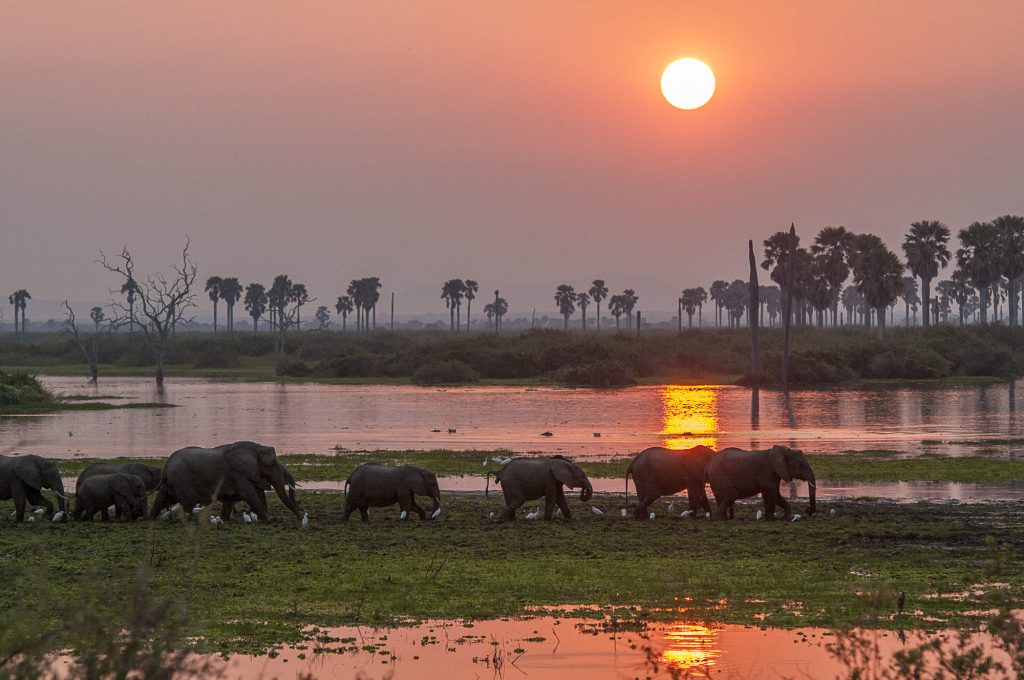
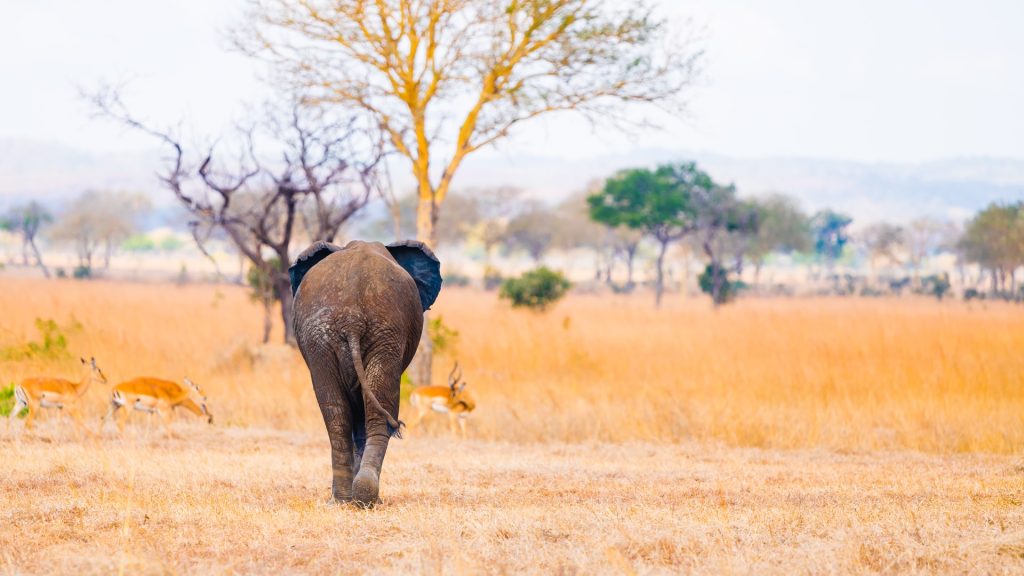
Beyond the climb, the park is a haven for wildlife and nature enthusiasts. Enjoy guided safaris that introduce you to endemic species, vibrant birdlife, and the unique flora that thrives in this varied climate.
Guided Tours: Learn about the park’s ecological significance from expert guides.
Scenic Photography: Capture the majestic beauty of cascading waterfalls, serene lakes, and rugged mountain terrain.
Enhance your visit with a cultural immersion. Explore local villages, learn traditional practices, and savor authentic Tanzanian cuisine.
Community Visits: Engage with locals and learn about their way of life.
Cultural Festivals: Time your visit to coincide with local festivals for a deeper cultural insight.
Timing is crucial for maximizing your Mt. Kilimanjaro experience. The best periods to visit are during the dry seasons from June to October and January to March, ensuring clear skies and optimal trekking conditions.
Acclimatization: Spend a few days acclimating to the altitude before attempting the climb.
Packing Essentials: Bring layered clothing, waterproof gear, and sturdy hiking boots.
Health & Safety: Consult with travel clinics regarding altitude sickness and necessary vaccinations.
Plan your visit well in advance, as the park often requires permits and guided tour bookings. Partnering with experienced tour operators not only streamlines the process but also ensures you’re well-prepared for every stage of your adventure.
Mt. Kilimanjaro National Park is more than a hiking destination; it’s a journey through time, nature, and culture. From the lush rainforests at its base to the snow-capped summit, every step offers a story and every view, a memory.
Whether you’re planning a strenuous ascent or a leisurely exploration of its natural wonders, this national park promises an adventure that resonates long after you return home.
Plan your trip today and experience the magic of Mt. Kilimanjaro National Park – where nature, adventure, and culture meet in perfect harmony.
Mt. Kilimanjaro National Park stands as a testament to Tanzania’s commitment to preserving natural beauty and cultural heritage. With its diverse landscapes and myriad of activities, it remains an ideal destination for travelers seeking both challenge and tranquility. Embrace the journey, connect with nature, and create memories that will last a lifetime.


January offers a pleasant start to the year with generally dry conditions. Ideal for climbers, you’ll experience good visibility and relatively warm weather, making it one of the best times to attempt the summit. While some areas are slightly cooler, the lower altitudes remain comfortable. Expect a bit of cloud in the afternoons.
A Very good time to Visit.
February continues with dry weather, making it a great time for trekking. The lower altitudes are still warm, while the higher altitudes get cooler. You’ll encounter plenty of sunshine with clear skies. Occasional light cloud cover may appear, but rainfall is rare.
A Very good time to Visit.
March marks the start of the long rainy season. Weather conditions are more unpredictable, and heavy rain is common, especially at lower altitudes. While this may deter some, trekkers who are prepared for wet conditions may still enjoy the lush greenery and fewer crowds. Expect rain showers mainly in the late afternoons or nights.
A Very good time to Visit, with Pros & Cons
April is the wettest month of the year. Expect heavy rainfall and thick clouds, making hiking conditions challenging. The higher altitudes can be extremely cold, and visibility is poor due to the constant rain. We generally recommend avoiding climbs during this month unless you are prepared for the wet and muddy conditions.
This is not a great time to visit.
Similar to April, May continues the rainy season. Trails are muddy and visibility is poor, with frequent downpours. It’s not ideal for climbing, as rain could disrupt your trek, and the park’s conditions make it more difficult and less enjoyable for sightseeing or hiking.
This is not a great time to visit.
June marks the start of the dry season and one of the best months to visit. The skies are clear, and temperatures are cool to mild, providing excellent hiking conditions. Although it may still be cold at the summit, the weather throughout the trek is comfortable. Expect plenty of sunshine with minimal cloud cover.
A Very good time to Visit.
July is one of the prime months for climbing Mount Kilimanjaro. With dry weather and clear skies, climbers can enjoy breathtaking views and moderate temperatures. There is very little chance of rain, and the park is less crowded, offering an optimal experience for summiting. Expect a mix of sun and occasional light cloud cover.
A Very good time to Visit.
August continues the dry season, offering perfect conditions for trekking. The weather remains consistent with sunshine and clear skies. Early mornings and evenings can be quite cold, especially at higher elevations, but the daytime temperatures are mild. The high altitude remains a challenge, but conditions are ideal for summit attempts.
A Very good time to Visit.
September maintains excellent conditions for climbing Kilimanjaro. The dry weather continues with a slight increase in cloud cover compared to July and August, but it’s still predominantly sunny. Trekking is comfortable, with cool mornings and evenings, making it a fantastic month for those looking to conquer the mountain.
A Very good time to Visit.
October marks the transition between the dry and wet seasons. Although rain is rare, the chances of light showers increase, especially later in the month. Weather is still generally favorable for trekking, but climbers may experience some cloud cover and cooler conditions at the summit. It’s not as crowded as the peak months, offering a more serene experience.
A Very good time to Visit.
November marks the start of the second rainy season. Although rains tend to be lighter than in March-May, they are still frequent, with cloud cover often reducing visibility. Conditions can be challenging at lower altitudes, and treks are less enjoyable. However, for those who prefer fewer crowds, November could still provide an interesting and less crowded trekking experience.
A Very good time to Visit, with Pros & Cons
December sees the end of the rainy season and the beginning of the dry season. The weather is a mix of sunshine and short rains. It’s a good time for trekkers, as the rain is usually light and brief, and the temperatures remain moderate. This month offers a chance to experience the mountain with less precipitation but with occasional showers.
A Very good time to Visit.
Our dedicated call centre is here to answer your questions and help you plan your perfect holiday.
Have questions, need to modify your Enquire, or want to chat? We’re available online from 9 AM.
Our dedicated call centre is here to answer your questions and help you plan your perfect holiday.
Tell us what you’re planning and let our experts help you with your holiday