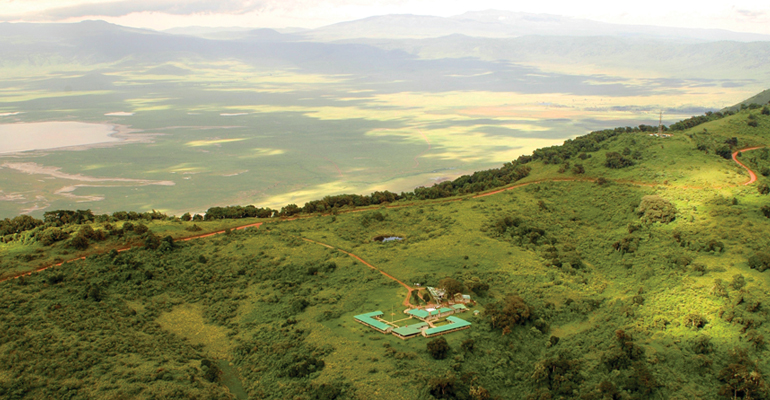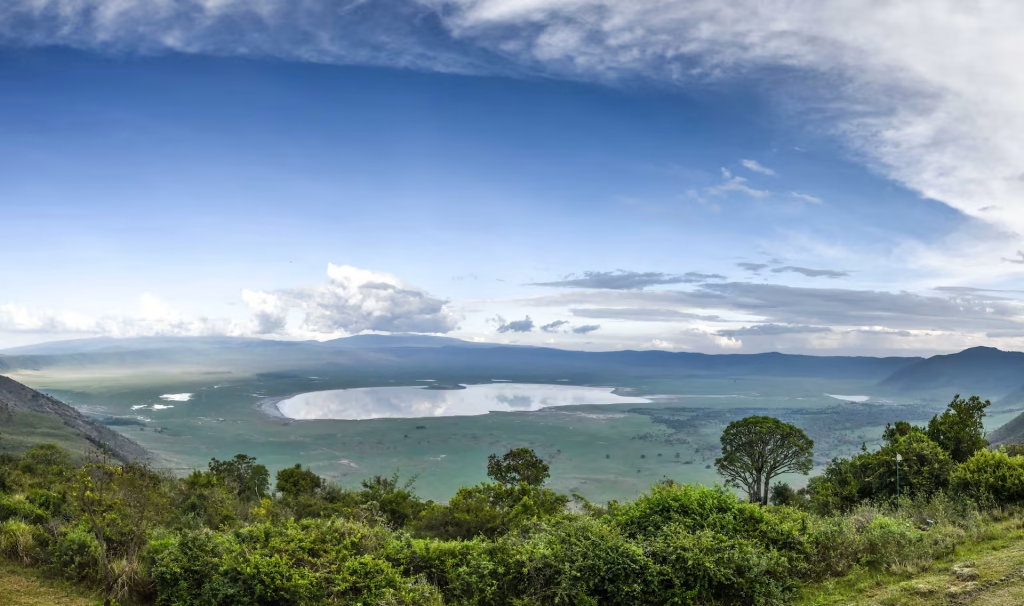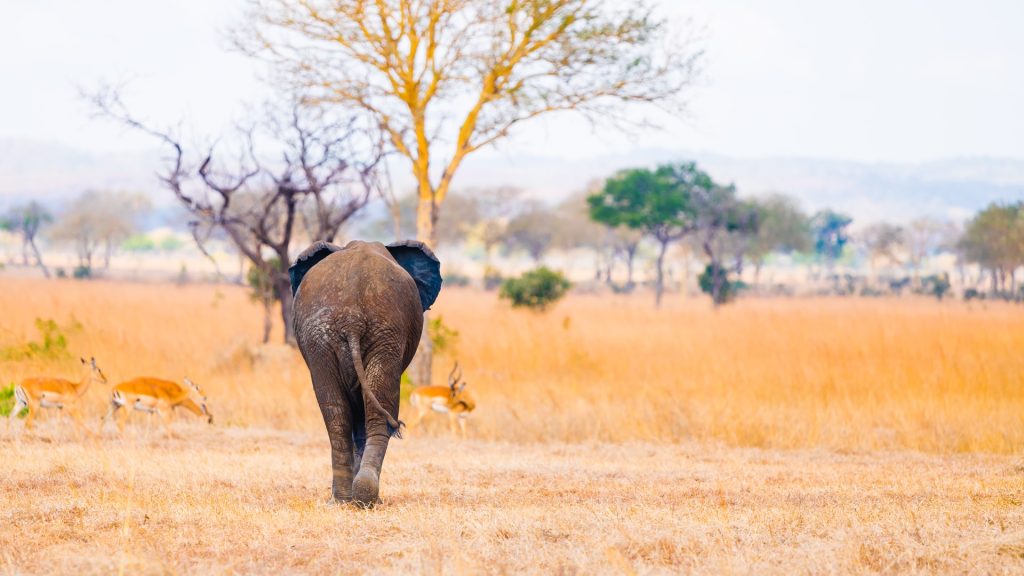
The Ngorongoro Conservation Area (NCA) is one of Tanzania’s most remarkable wildlife destinations, renowned for its stunning landscapes, diverse wildlife, and rich cultural heritage. Located in northern Tanzania, it spans approximately 8,292 square kilometers and includes the world-famous Ngorongoro Crater, the largest unbroken volcanic caldera on Earth. The area was designated a UNESCO World Heritage Site in 1979 and is a vital part of the Serengeti ecosystem.


January is part of the short dry season, offering warm and relatively dry weather. The landscapes are lush from the November-December rains, making it a scenic time to visit. Wildlife is still abundant, though some animals may be dispersed due to the availability of water.
A Very good time to Visit.
February is one of the best months to visit, with warm temperatures and minimal rainfall. The short grass in the crater makes wildlife spotting easier, and the calving season for wildebeest begins, attracting predators.
A Very good time to Visit.
March marks the start of the long rainy season (Masika). The crater remains accessible, but the surrounding areas may become muddy and challenging to navigate. Wildlife viewing is still good, but the rains can disrupt activities.
A Very good time to Visit, with Pros & Cons
April is the wettest month, with heavy rains making some roads impassable. Wildlife is harder to spot as animals disperse into the highlands. However, the scenery is stunning, with vibrant green landscapes.
A Very good time to Visit, with Pros & Cons
The rains begin to taper off in May, but the ground remains wet and muddy. Wildlife starts to return to the crater, and the park is less crowded.
A Very good time to Visit.
June marks the start of the dry season, with clear skies and cool temperatures. The grass is short, making wildlife viewing excellent. The crater is teeming with animals, and the weather is perfect for safaris.
A Very good time to Visit.
July is peak safari season, with dry weather and excellent wildlife visibility. The Great Migration is nearby in the Serengeti, and the crater is bustling with activity.
A Very good time to Visit.
Similar to July, August offers fantastic wildlife viewing and pleasant weather. The crater is alive with animals, and the surrounding areas are accessible.
A Very good time to Visit.
September is one of the best months to visit, with warm days and cool nights. Wildlife is concentrated around water sources, making sightings frequent.
A Very good time to Visit.
October is the last month of the dry season, with temperatures rising slightly. Wildlife viewing remains excellent, but dust can be an issue.
A Very good time to Visit.
November marks the start of the short rains (Vuli). The landscape begins to green up, and migratory birds arrive. Wildlife is still visible, but rain can disrupt activities.
A Very good time to Visit.
December sees the end of the short rains, with warm temperatures and lush landscapes. Wildlife is abundant, and the park is less crowded than in peak season.
A Very good time to Visit.
Our dedicated call centre is here to answer your questions and help you plan your perfect holiday.
Have questions, need to modify your Enquire, or want to chat? We’re available online from 9 AM.
Our dedicated call centre is here to answer your questions and help you plan your perfect holiday.
WhatsApp us
Tell us what you’re planning and let our experts help you with your holiday