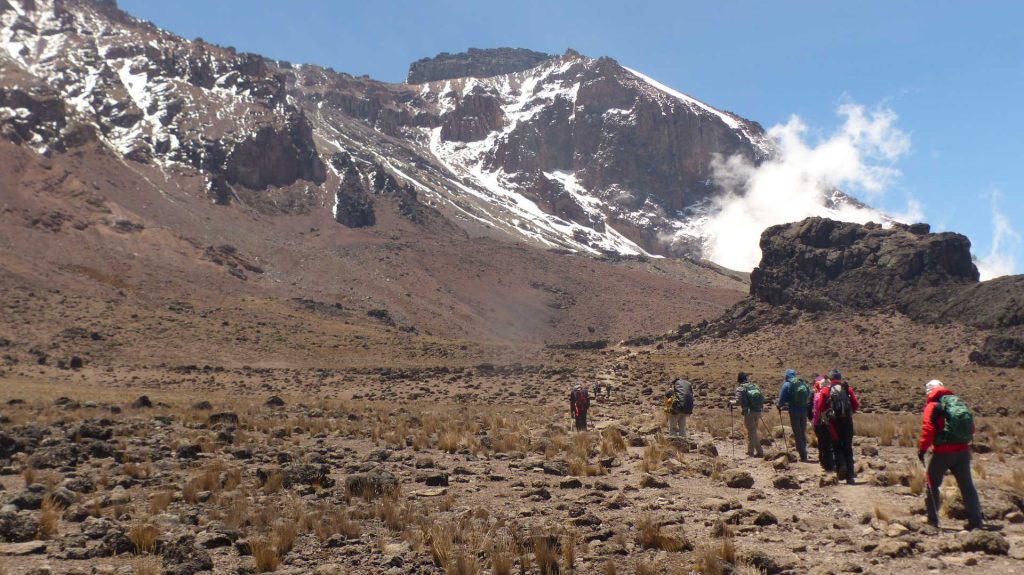
Climbing Mount Kilimanjaro is a thrilling yet demanding adventure that requires thorough preparation, including selecting the right hiking gear. As Africa’s highest peak, Kilimanjaro presents diverse landscapes and extreme weather variations, making proper equipment essential for a safe and successful climb. Here’s a comprehensive guide to the must-have gear for your expedition.
1. Sturdy Hiking Boots
A high-quality pair of hiking boots with excellent ankle support and durable soles is essential for navigating Kilimanjaro’s rugged terrain. Look for waterproof and breathable boots that provide comfort and grip on rocky trails, loose scree, and icy slopes.
2. Layered Clothing for Variable Weather
Kilimanjaro’s climate ranges from tropical conditions at the base to freezing temperatures at the summit. Dressing in layers allows you to adapt to changing conditions:
- Base Layer: Moisture-wicking thermal clothing to keep sweat away.
- Mid-Layer: Insulating fleece or down jacket for warmth.
- Outer Layer: A waterproof and windproof shell to protect against rain and wind.
3. Insulated Jacket for Cold Temperatures
A warm, insulated jacket is crucial for summit night when temperatures can drop well below freezing. Opt for a lightweight, packable jacket with synthetic or down insulation to retain heat without adding bulk.
4. Thermal Base Layers
Thermal underwear, including moisture-wicking tops and bottoms, provides essential warmth during cold nights and high-altitude hikes. Choose materials like merino wool or synthetic fabrics to keep dry and comfortable.
5. Cold-Weather Sleeping Bag
A high-quality sleeping bag rated for temperatures below freezing is necessary for a restful night’s sleep in mountain camps. Select a lightweight, compressible sleeping bag with down or synthetic insulation to ensure warmth at high elevations.
6. Trekking Poles for Stability
Trekking poles help reduce strain on your knees and improve balance on steep ascents and descents. Adjustable, lightweight poles with ergonomic grips are ideal for maintaining stability on Kilimanjaro’s uneven trails.
7. Headlamp with Extra Batteries
A reliable headlamp is essential for early morning summit pushes and navigating camps at night. Choose a model with adjustable brightness and bring extra batteries to ensure uninterrupted use.
8. Sun Protection for High Altitudes
The sun’s intensity increases at higher elevations, making sun protection vital:
- Sunscreen (SPF 30+): Protects exposed skin from UV rays.
- Lip balm with SPF: Prevents chapped lips in dry mountain air.
- UV-blocking sunglasses: Shields eyes from glare and harmful rays.
- Hat or Buff: Provides additional sun and wind protection.
9. Hydration System
Staying hydrated is crucial at high altitudes to prevent dehydration and altitude sickness. Carry a hydration bladder or water bottles with at least three liters of capacity. Insulated bottles help prevent freezing at higher elevations, and electrolyte tablets can replenish lost minerals.
10. Durable Backpack with Rain Cover
A comfortable, well-fitted backpack (30-40 liters) is essential for carrying personal gear, extra clothing layers, snacks, and water. Ensure it has a built-in rain cover or use waterproof liners to protect your belongings from rain and snow.
Final Thoughts
Packing the right gear is essential for a comfortable and successful Kilimanjaro climb. Proper equipment enhances safety, improves endurance, and ensures you’re well-prepared for the mountain’s diverse conditions. Consult experienced climbers or tour operators for personalized gear recommendations based on your route and itinerary.
With the right preparation, you’ll be ready to conquer Africa’s highest peak and create unforgettable memories on this incredible adventure!