Lake Manyara National Park, nestled in northern Tanzania, is a gem for wildlife enthusiasts and nature lovers alike. Renowned for its breathtaking landscapes and diverse ecosystems, the park offers visitors an intimate glimpse into Africa’s rich biodiversity.
Situated approximately 126 kilometers west of Arusha Town, Lake Manyara National Park encompasses an area of 330 square kilometers, with the lake itself covering about 230 square kilometers. The park is accessible via the northern gate, commonly used due to its proximity to most accommodations, and the southern gate. Travelers can reach the park by road from Arusha or opt for flights to the nearby Lake Manyara Airport.
One of the park’s most captivating features is its population of tree-climbing lions. These lions, often seen lounging on the branches of acacia trees, present a rare spectacle not commonly observed elsewhere. Additionally, Lake Manyara hosts large herds of elephants, providing visitors with close encounters with these majestic creatures. Other commonly sighted animals include giraffes, zebras, wildebeests, impalas, and warthogs. The park also boasts a significant number of baboons, often seen in troops of up to 200 individuals.
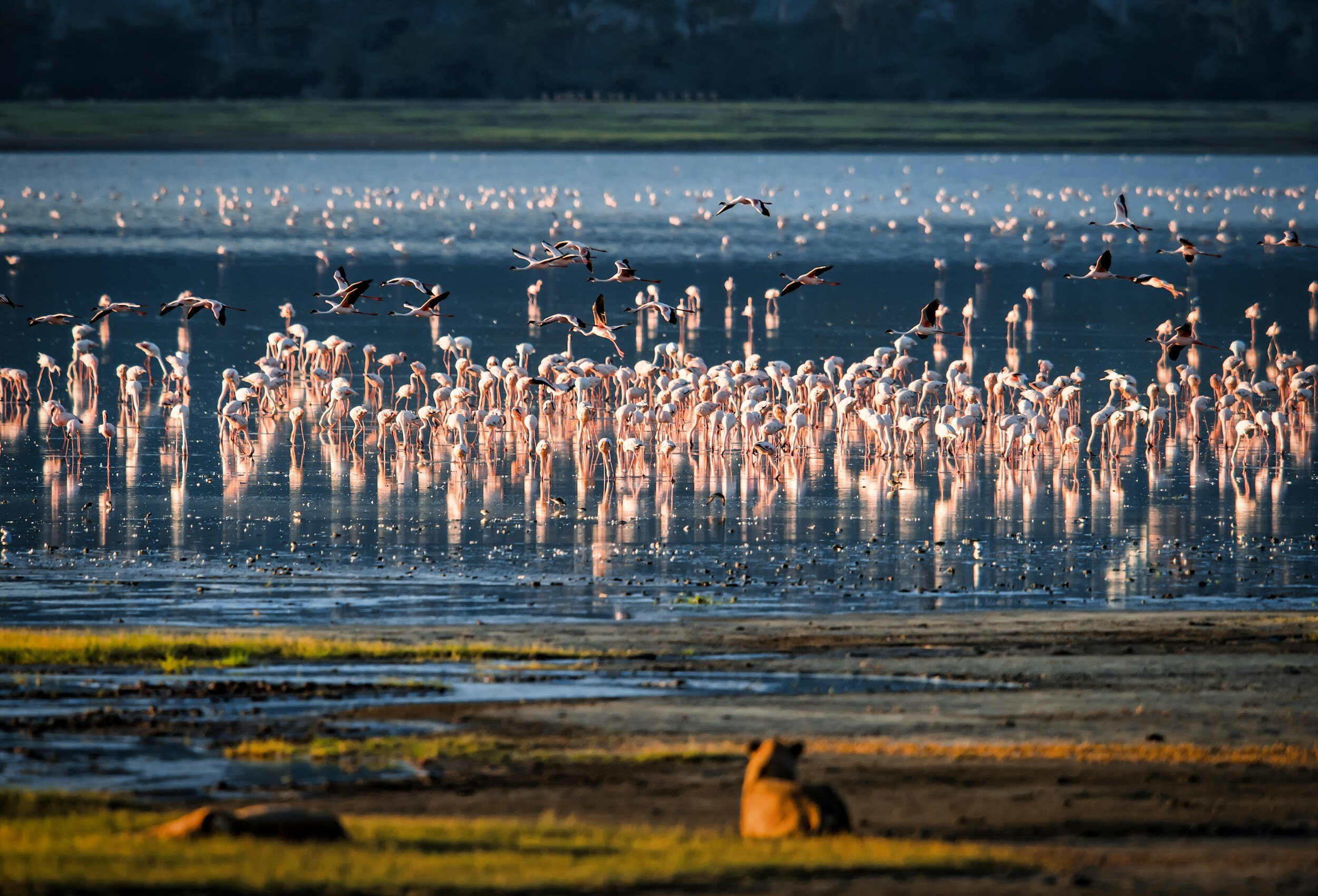
With over 350 bird species recorded, Lake Manyara National Park is a haven for birdwatchers. The alkaline lake attracts vast flocks of pink flamingos, pelicans, herons, storks, and other waders. The diverse habitats, from evergreen forests to woodlands, support species such as crowned eagles, crested guinea fowl, and silvery-cheeked hornbills.
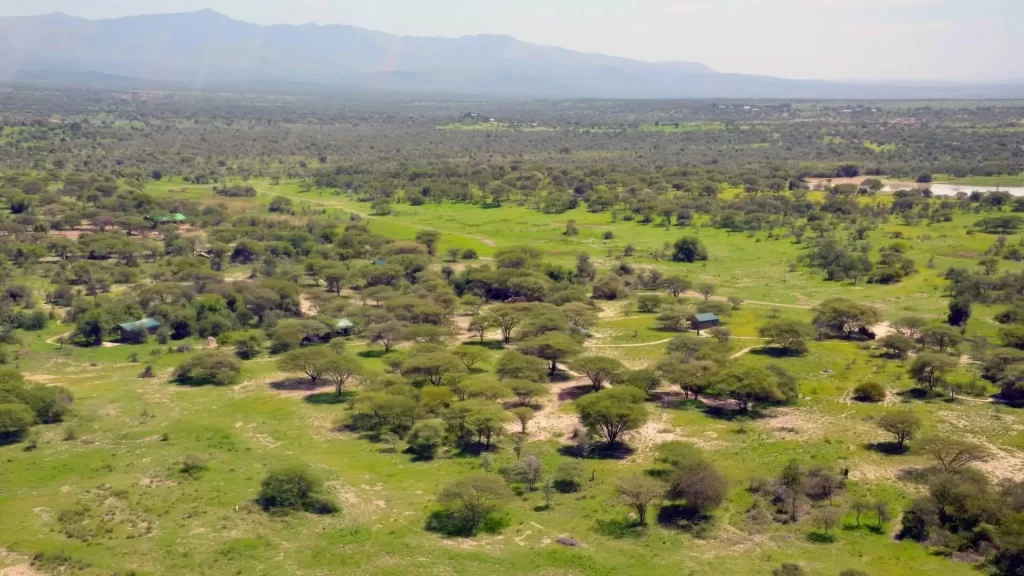
The park’s landscape is a tapestry of varied ecosystems. Beyond the shimmering expanse of Lake Manyara lies a mosaic of grassy floodplains, dense acacia woodlands, and evergreen forests nourished by perennial underground springs. The dramatic backdrop of the Great Rift Valley’s escarpment adds to the park’s scenic allure, making it a photographer’s dream.
Visitors to Lake Manyara National Park can engage in a range of activities:
Game Drives: Explore the park’s diverse habitats and witness its abundant wildlife in their natural settings.
Bird Watching: With its rich avian diversity, the park offers unparalleled birding opportunities.
Cultural Tours: Engage with local communities to learn about the traditions and lifestyles of the indigenous people.
Nature Walks: Guided walks provide an intimate experience of the park’s flora and fauna.
While Lake Manyara National Park is a year-round destination, the dry season from July to November is ideal for game viewing as animals congregate around water sources. The wet season, from March to May, transforms the landscape into a lush paradise and is particularly rewarding for bird enthusiasts due to the arrival of migratory species.
A variety of lodging options cater to different preferences and budgets:
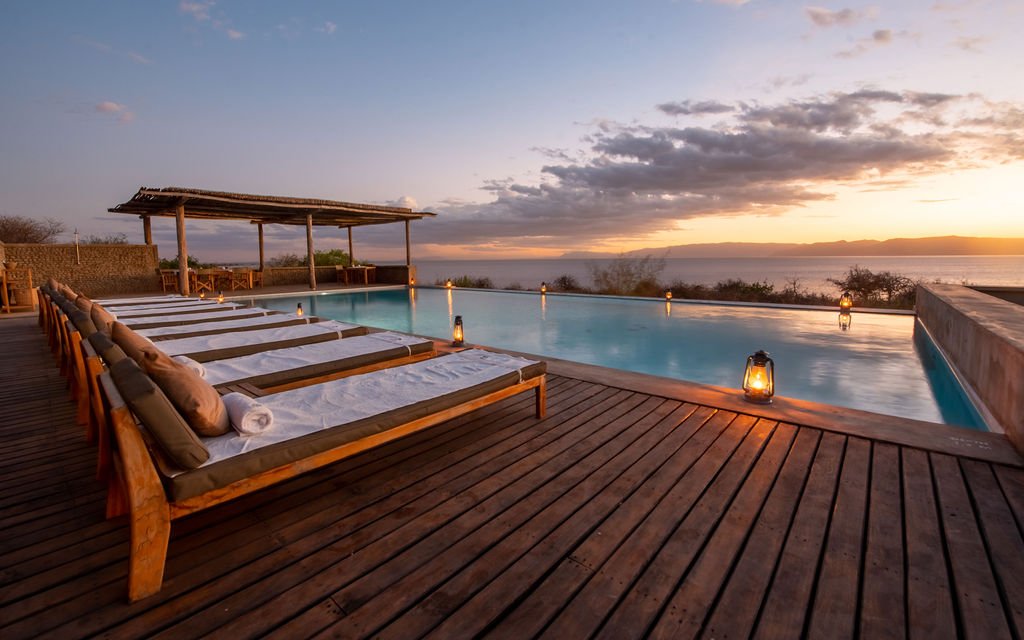
Luxury Lodges: Offering premium services and panoramic views of the park.
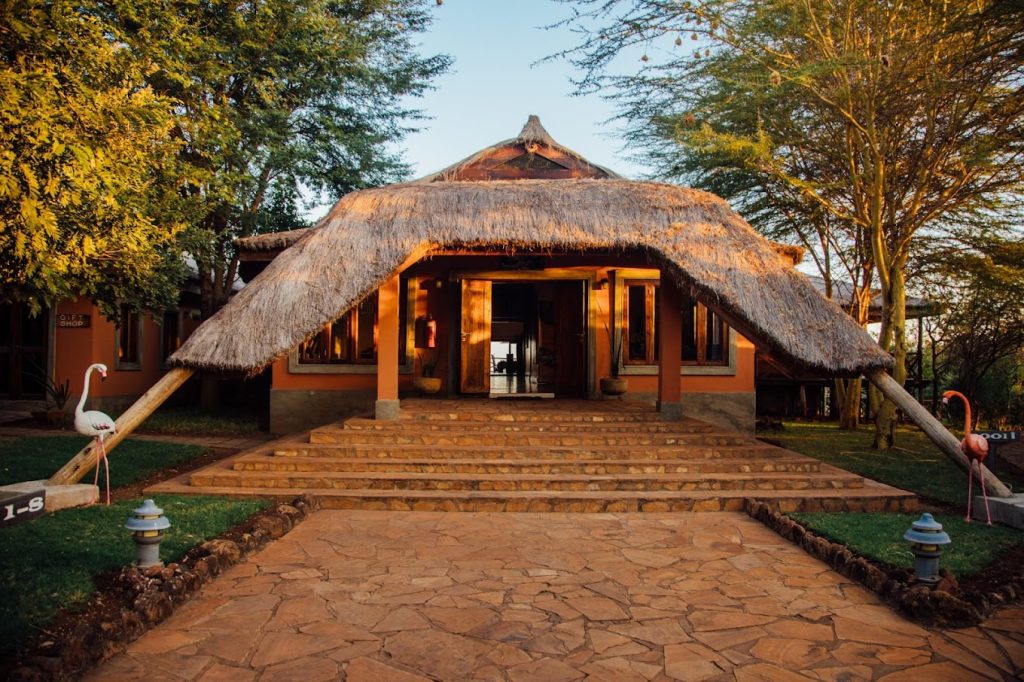
Tented Camps: Providing an authentic safari experience with modern comforts.
Budget Campsites: Ideal for travelers seeking a closer connection to nature.
Lake Manyara National Park is part of the Lake Manyara Biosphere Reserve, established in 1981 by UNESCO’s Man and the Biosphere Programme. This designation underscores the park’s global ecological significance and the ongoing efforts to balance conservation with sustainable use.
Lake Manyara National Park offers a unique blend of wildlife encounters, stunning landscapes, and cultural experiences. Whether you’re a seasoned traveler or embarking on your first safari, the park promises an unforgettable adventure in the heart of Tanzania.



January is warm, and you’ll encounter occasional rains, particularly towards the end of the month. Though game viewing is still good, the lush vegetation can make it harder to spot wildlife. Perfect for birdwatching, with migratory species arriving in large numbers.
A Very good time to Visit.
February is warmer with little rain, and the vegetation is lush, making it harder to view animals but great for bird watchers and photographers. The wildlife, including migratory birds, is abundant, offering a unique opportunity for nature lovers.
A Very good time to Visit.
March marks the beginning of the rainy season. Expect heavy rains, with the park becoming muddy. Wildlife may be harder to spot as animals spread out to search for food, but the landscape is lush, making for stunning photos of nature in its prime.
A Very good time to Visit, with Pros & Cons
April is the peak of the rainy season, with frequent heavy downpours. Wildlife viewing is not ideal as animals disperse, and the roads can be challenging to navigate. However, for those who enjoy dramatic, rainy landscapes and fewer tourists, it’s a quiet period for a unique experience.
This is not a great time to visit.
May is still a rainy month, though the rain is less frequent. Expect to see fewer tourists, and the wildlife may be scattered. However, for birdwatchers, the park still offers a variety of species, and the landscapes are vibrant and green
A Very good time to Visit, with Pros & Cons
June marks the start of the dry season, offering good weather for game viewing. The rains have mostly stopped, but the park is still lush. While visibility is better than in the rainy season, it’s not the peak dry season yet, and some wildlife may still be hard to spot.
A Very good time to Visit.
July is one of the best months to visit Lake Manyara. The dry weather makes wildlife easier to spot, and the landscape is clear, with cooler temperatures. It’s a popular time for tourists due to excellent visibility and abundant wildlife, particularly elephants and lions.
A Very good time to Visit.
August is peak safari season at Lake Manyara. Wildlife congregates around water sources, making sightings frequent and easier. The dry season provides perfect conditions for game drives with comfortable temperatures, and the park is not as crowded as some other safari areas in Tanzania.
A Very good time to Visit.
September is an ideal time for safari, with clear skies and warm temperatures. The dry season ensures excellent wildlife viewing as animals gather around waterholes. Bird watching is also great, with some migratory birds still around, and game drives are easy and rewarding.
A Very good time to Visit.
October is the last month of the dry season, and the park is still very accessible with good wildlife sightings. As it gets hotter towards the end of the month, some animals might seek shade, but the conditions are still favorable for exploring the park and seeing a wide range of animals.
A Very good time to Visit.
November marks the beginning of the rainy season, but the rains are usually light. Wildlife sightings remain good, but the park starts to get busier as tourists seek to catch the last dry days before the rains set in. The park’s lush vegetation returns, and the birdwatching opportunities increase.
A Very good time to Visit.
December is a transitional month, with short rains beginning. The weather is warmer, and the park sees more tourists looking to enjoy a sunny holiday. Though not as ideal for wildlife viewing as the dry months, the park’s lush green beauty and bird species make it still a fantastic destination for nature lovers.
A Very good time to Visit.
Our dedicated call centre is here to answer your questions and help you plan your perfect holiday.
Have questions, need to modify your Enquire, or want to chat? We’re available online from 24 hrs.
Our dedicated call centre is here to answer your questions and help you plan your perfect holiday.



P.O.BOx 2030 Sekei, Arusha-Tanzania
info@kifaruquestsafaris.com
+255 752 167 893
WhatsApp us