Tanzania, a land of breathtaking landscapes, rich wildlife, and vibrant culture, is a dream destination for travelers year-round. However, understanding the country’s climate and seasonal variations can help you plan an unforgettable adventure. This guide will help you determine the best time to visit Tanzania based on your interests, whether it’s wildlife safaris, beach escapes, or climbing Mount Kilimanjaro.
Understanding Tanzania’s Climate
Tanzania has two main seasons: the dry season and the wet season. Each season offers unique opportunities and experiences for travelers.
Dry Season (June – October)
From June to October, Tanzania experiences clear skies, warm days, and cooler nights. This is the best time for safaris, as animals gather around water sources, making them easier to spot. The dry conditions also make it ideal for trekking and beach holidays.
Wet Season (November – May)
The wet season, from November to May, brings lush green landscapes and occasional rainfall. While wildlife spotting can be more challenging, this season is perfect for birdwatching and witnessing the Great Migration in the Serengeti.
Best Time to Visit Tanzania for Different Activities
1. Best Time for Safari
Dry Season (June – October)
For an unforgettable safari, visit during the dry season. The sparse vegetation makes it easier to see animals, including the Big Five. Popular parks like the Serengeti, Ngorongoro Crater, and Tarangire offer the best game viewing during this period.
Wet Season (November – May)
While safaris can be more challenging in the wet season, calving season (January to March) in the Serengeti is a unique experience. This is when thousands of wildebeest give birth, attracting predators like lions and cheetahs.
2. Best Time for Beach Holidays
Dry Season (June – October)
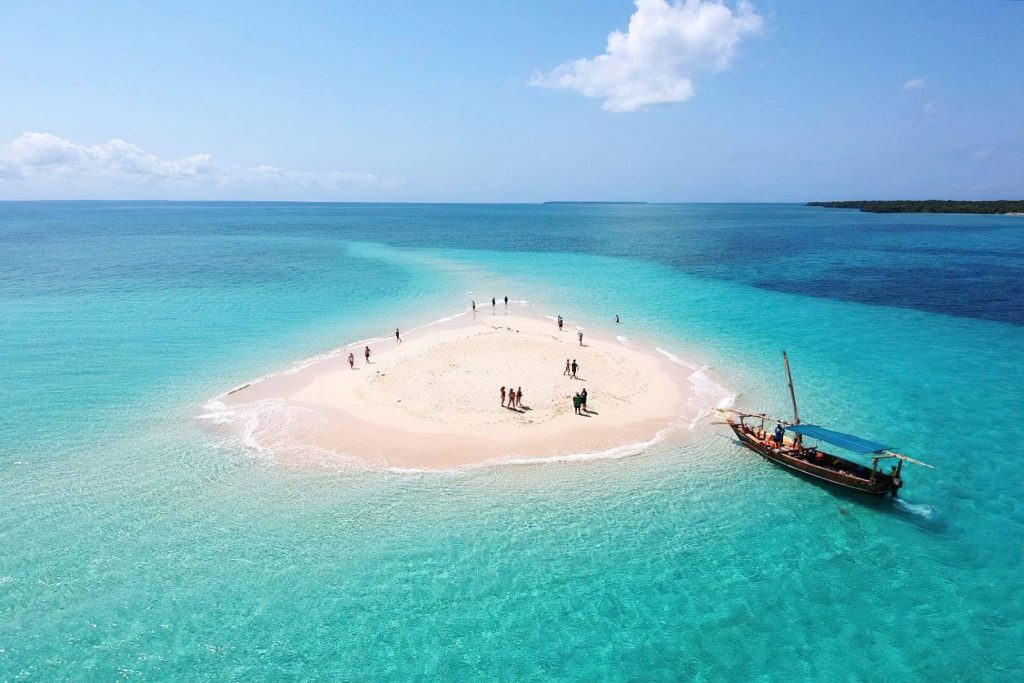
Zanzibar, Pemba Island, and Tanzania’s coastline offer perfect beach weather during the dry season. Expect warm temperatures, clear skies, and excellent conditions for snorkeling and diving in the turquoise waters of the Indian Ocean.
Wet Season (November – May)
While the wet season brings occasional rain, it also means quieter beaches and lower accommodation rates. If you enjoy cultural experiences, this is a great time to explore Stone Town, spice farms, and local villages.
3. Best Time to Climb Mount Kilimanjaro
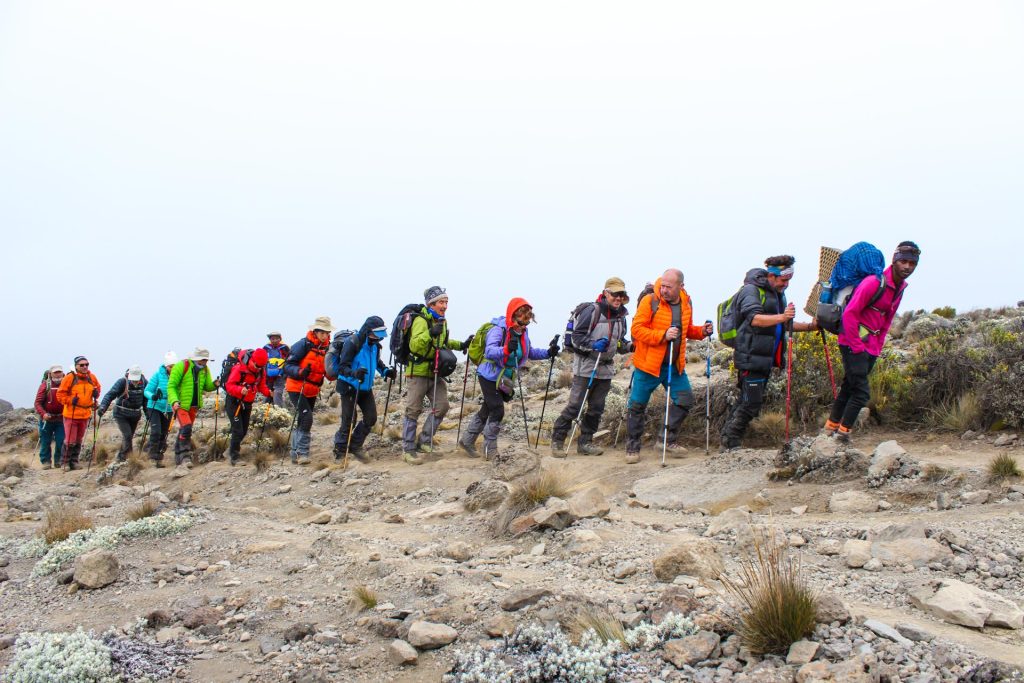
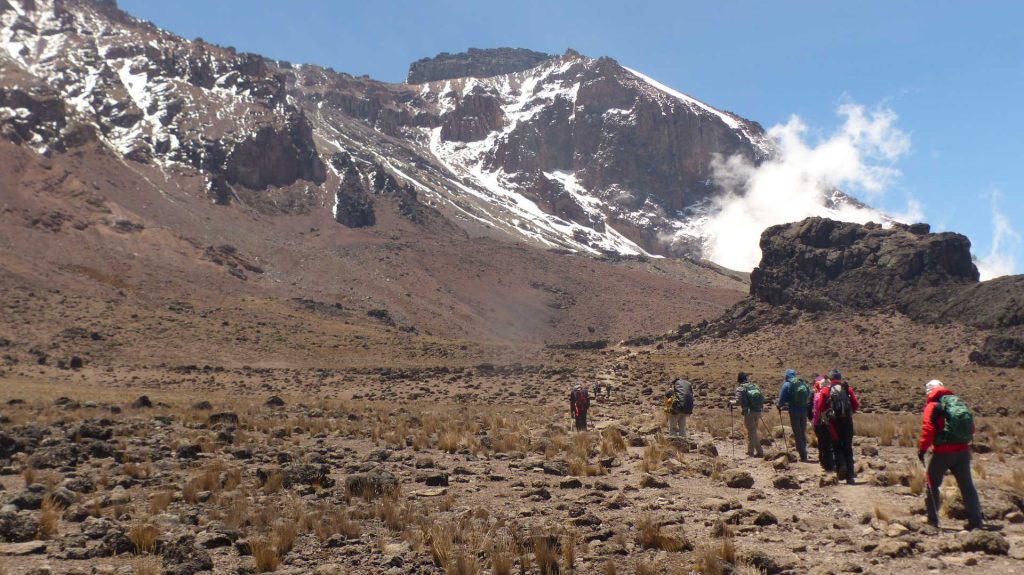
Climbing Mount Kilimanjaro is a bucket-list adventure. The best times to summit are:
✅ June – October (Main Dry Season)
✅ January – February (Short Dry Season)
These months offer clearer skies, drier trails, and better visibility, increasing your chances of a successful climb. The wet season (March–May, November) can be risky due to slippery trails and poor visibility.
Factors to Consider When Planning Your Trip
Personal Preferences
Your ideal travel time depends on your interests. If you prefer fewer crowds and lush landscapes, the wet season might be perfect. If you want optimal safari conditions, choose the dry season.
Budget Considerations
Peak seasons (June–October, December) have higher prices for accommodations and safaris. Traveling in the low season (March–May) can offer discounted rates and fewer tourists.
Wildlife Viewing
For the Great Migration, visit the Serengeti from June to September (river crossings) or January to March (calving season). The dry season is best for Big Five safaris.
Accommodation Availability
During peak months, lodges and hotels in popular areas like Serengeti, Ngorongoro, and Zanzibar fill up fast. Booking several months in advance ensures availability and better rates.
Conclusion
The best time to visit Tanzania depends on what you want to experience. Whether it’s an action-packed safari, a relaxing beach holiday, or the challenge of climbing Kilimanjaro, Tanzania has something to offer year-round. Plan ahead, consider your budget, and get ready for an unforgettable adventure in one of Africa’s most incredible destinations.